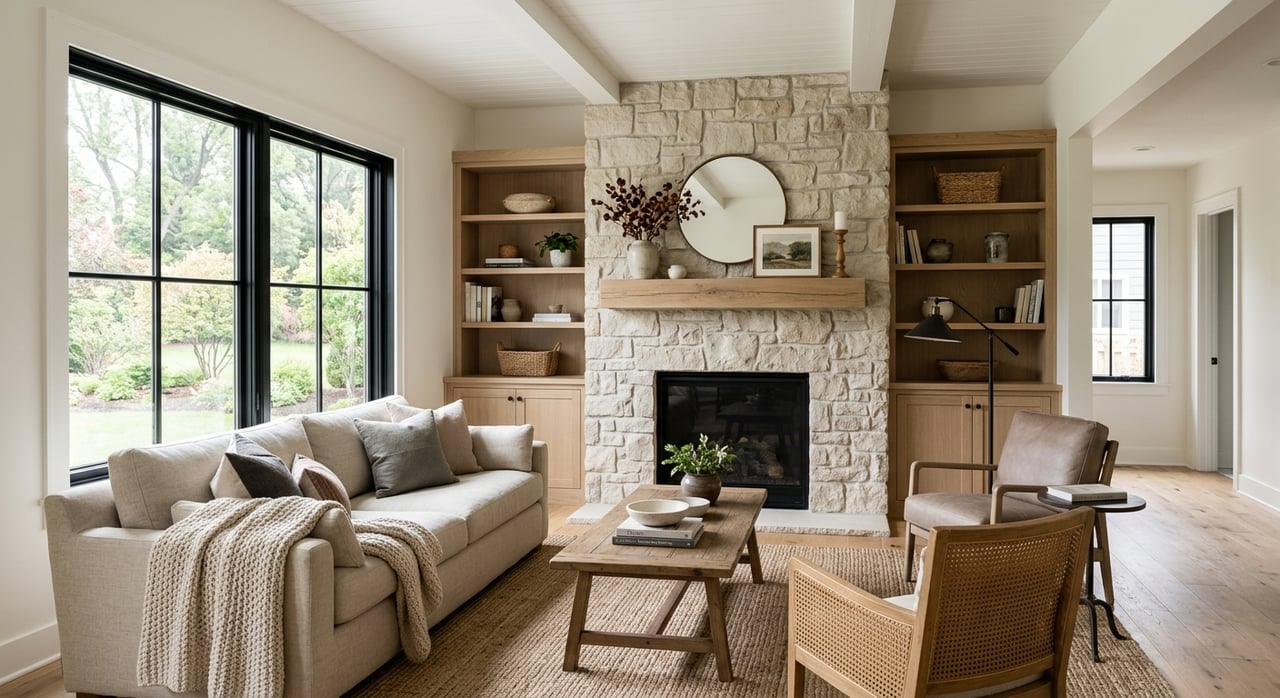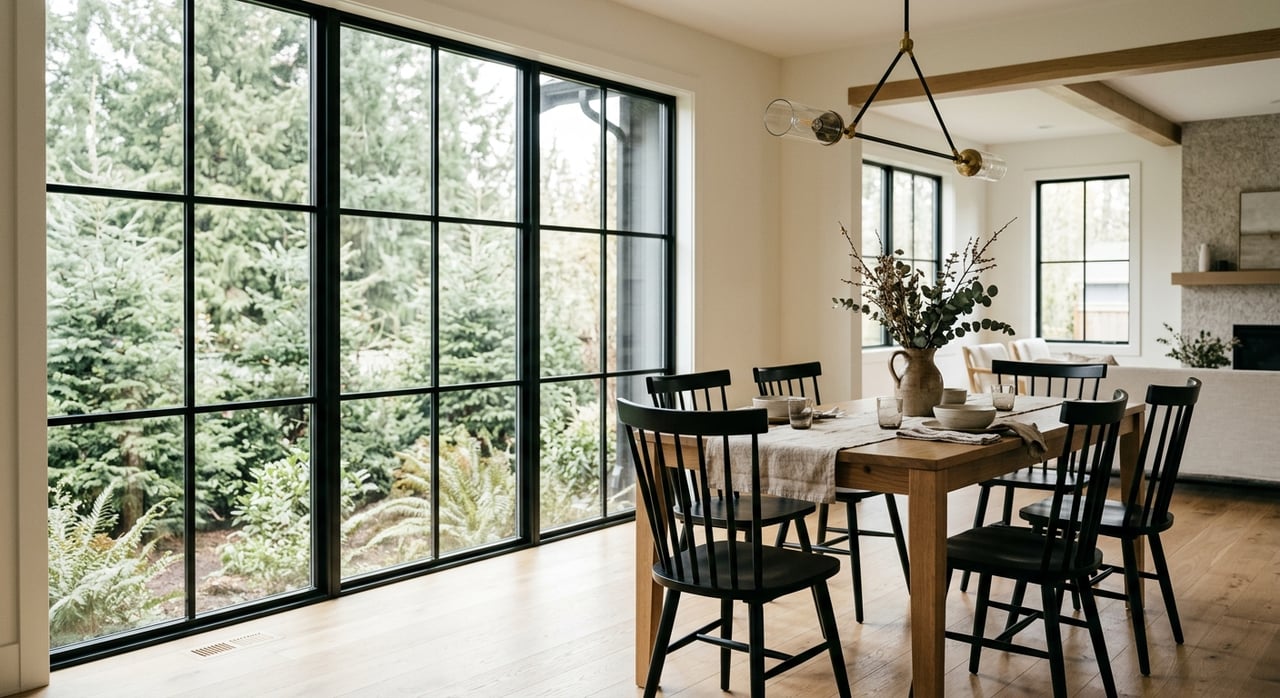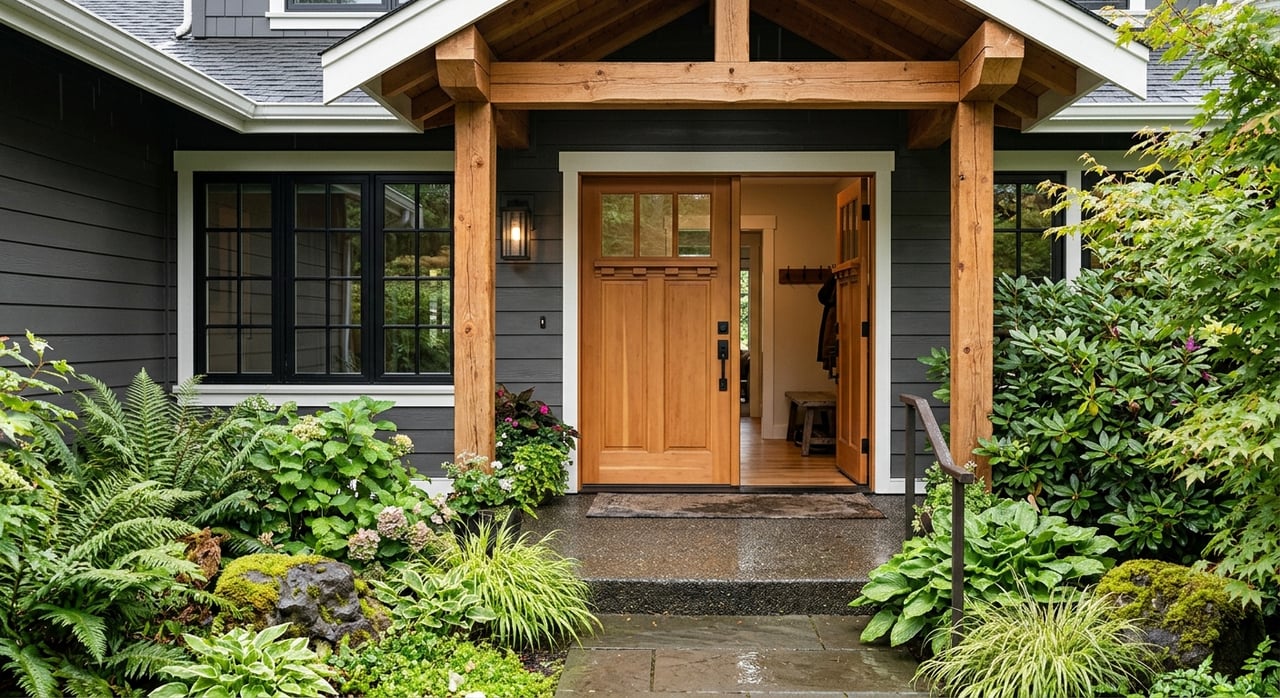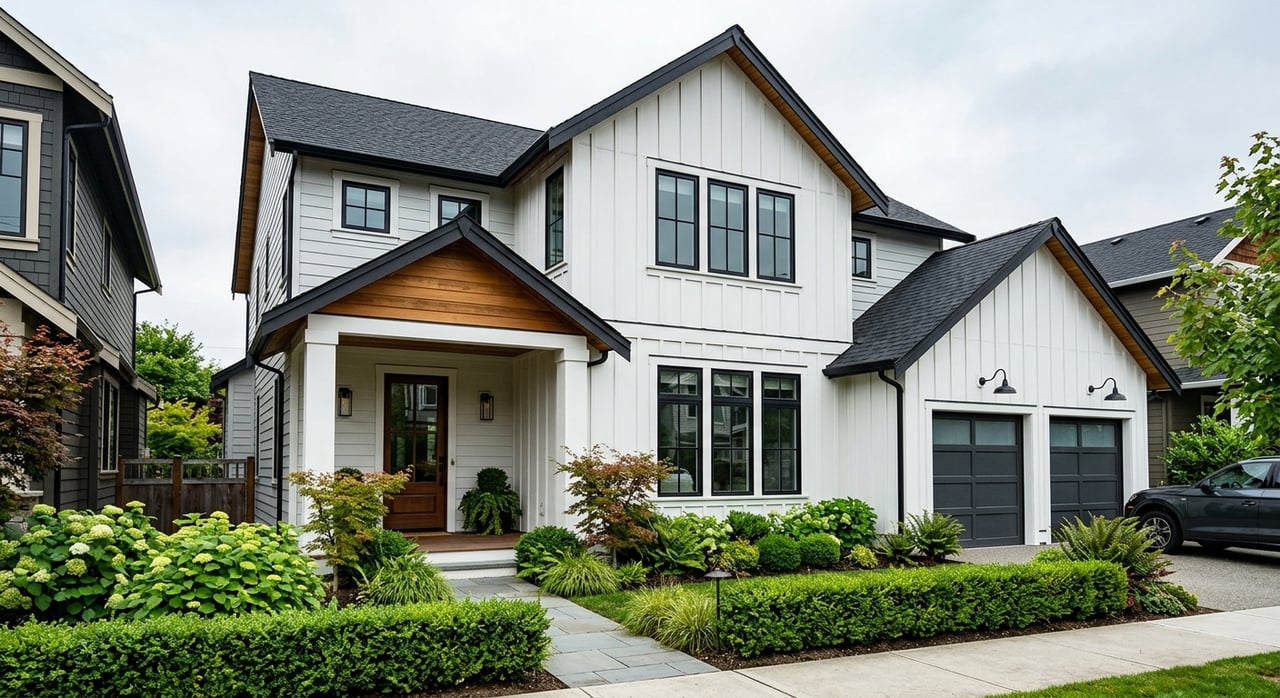
Trying to decide between a condo, townhome, or single-family house in Vancouver, WA? You are not alone. Each option offers a different mix of price, maintenance, and lifestyle, and the right choice depends on your budget and how you want to live. In this guide, you will see current 2026 pricing, HOA and insurance realities, financing tips, and neighborhood fit so you can choose with confidence. Let’s dive in.
Vancouver price snapshot (2026)
If you want a quick feel for today’s market, start with the medians:
- Vancouver city’s median sale price was about $482,575 in February 2026, based on Redfin’s city data. You can review the latest city trends on the Redfin Vancouver market page for timely updates (Redfin Vancouver housing market).
- Clark County as a whole ran higher at roughly $549,000 in February 2026. This county page is also helpful for broader context, risk maps, and trends (Redfin Clark County market).
- By property type, NWMLS’s 2025 annual review shows a clear gap: condo medians near $324,450 and single-family medians around $541,500, countywide. That spread shapes many buyers’ decisions in Vancouver (NWMLS Clark Annual Review 2025).
Different data providers publish slightly different figures because they use different methods. For this guide, city and county medians come from Redfin, and property-type history comes from NWMLS. Always note the date when you compare.
Condos in Vancouver: costs, fit, tradeoffs
Condos are usually the lowest-cost way into Vancouver homeownership.
- Typical price: Many active condo listings in Vancouver fall from the low to mid $200,000s into the mid $300,000s, with county closed-sale medians near $324,450 in 2025. You can scan current listings on Redfin’s Vancouver condos page (Vancouver condos).
- HOA fees and what they cover: Expect a monthly fee because the association maintains the exterior, roof, and common areas. Local listings commonly show dues in the $150 to $450 per month range, depending on age, services, and amenities. National research also finds many HOAs in the low $100s per month, but local services and utilities can move the number up or down (HOA fee context).
- Insurance basics: The association carries a master policy for the building shell and shared areas. You buy a condo unit-owner (HO-6) policy for interior finishes, personal property, liability, and loss-assessment coverage. Always read the master policy declarations to size your HO-6 correctly (HO-6 vs homeowners overview).
- Financing and underwriting: Lenders review condo projects for “warrantability,” delinquency rates, reserves, rental caps, and litigation. FHA and VA buyers need project approval or a spot approval, so plan early with your lender to confirm eligibility (FHA/VA condo guide).
- Who condos tend to fit: First-time buyers seeking the lowest entry price, downsizers who want minimal exterior work, and buyers who value walkability and amenities.
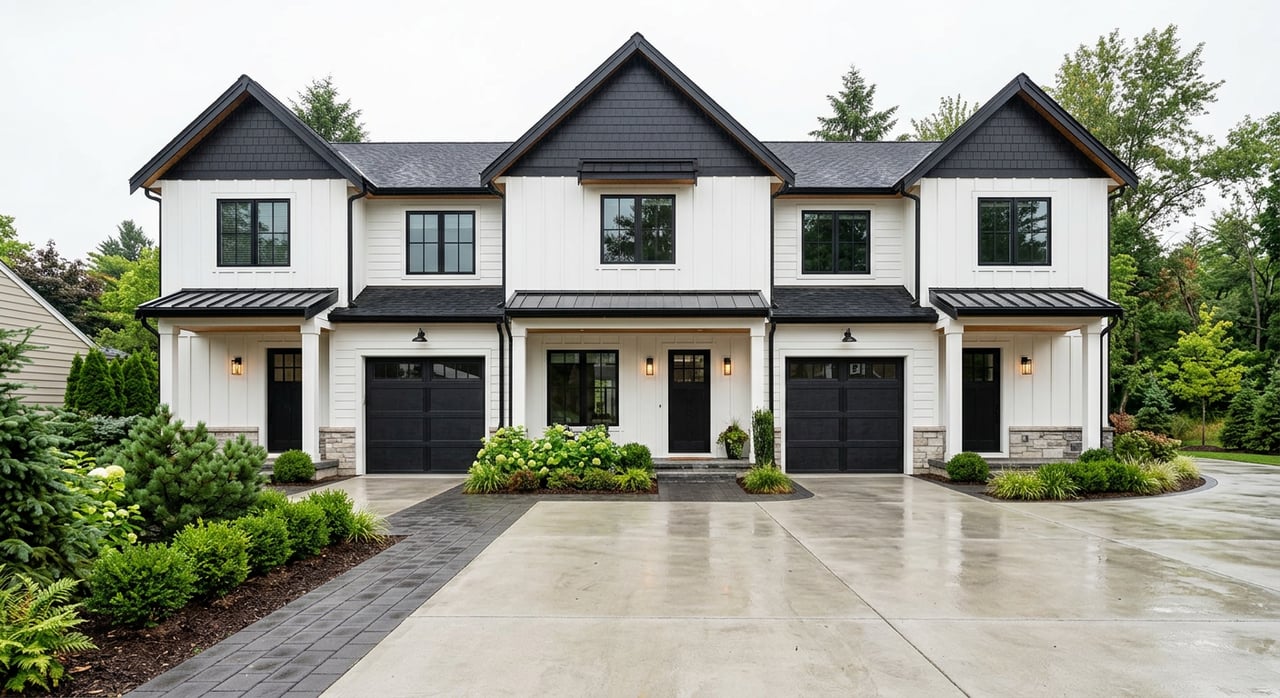
Townhomes in Vancouver: the middle ground
Townhomes bridge the gap between condos and detached homes.
- Typical price: Vancouver townhome listings often range from about $300,000 to $500,000, with many near the $400,000 mark depending on inventory and location (Vancouver townhouses).
- Legal form matters: In Washington, a townhome can be a condominium or fee-simple with an HOA. The recorded declaration and plat control who maintains the siding, roof, and grounds. Always verify whether you or the HOA handles exterior elements and what the dues include (Washington RCW 64.90).
- HOA fees and services: Townhome HOAs can be modest when amenities are limited. Some cover only private roads and landscaping, while others also include exterior maintenance. Compare dues by what they actually cover, not just the dollar amount.
- Financing: Fee-simple townhomes usually finance like single-family homes. Townhomes within a condominium or common-interest community may face similar project reviews as condos. Ask your lender what documentation they need early.
- Who townhomes tend to fit: Buyers who want more private space or a garage and small yard, but still prefer limited exterior work and a lower price than many detached homes.
Single-family homes: space and control
Detached homes offer the most privacy and control, and they tend to carry the highest purchase price and maintenance.
- Typical price: Vancouver’s overall median was about $482,575 in February 2026. County figures for single-family homes usually run higher than condos, as NWMLS shows for 2025 (Redfin Vancouver market; NWMLS property-type medians).
- Maintenance: Budget for roof, siding, landscaping, fences, and systems. If the home sits in an HOA, confirm what the HOA maintains.
- Who single-family homes tend to fit: Households that want more space and control, plan to stay longer, or prefer a private yard and fewer shared walls.
Monthly cost checklist in Clark County
Look beyond the purchase price to get your true monthly number.
- Property taxes: Clark County levies are stated per $1,000 of assessed value. The basic formula is assessed value divided by 1,000, then multiplied by the total levy for the parcel’s tax code area. Use the county’s official page to review current rates and compute parcel-specific taxes (Clark County tax rates).
- HOA dues: Dues can raise or lower your monthly cost depending on what they include, such as water, sewer, trash, or exterior maintenance. Compare apples to apples by listing exactly what your dues cover (HOA fee context).
- Insurance: Condos need HO-6 coverage to supplement the master policy. Single-family homes typically need an HO-3 or similar policy. Ask your agent and insurer how the HOA master policy impacts your coverage (insurance overview).
- Hazard risk: Some Clark County properties show a moderate flood factor on county summaries. Ask your agent to help you review flood maps and any insurance implications using parcel-specific data (Clark County market overview).
Where each option shines in Vancouver
- Condos: You will often find more condo choices near transit, services, and dining. Lower exterior maintenance works well if you prefer a lock-and-leave lifestyle.
- Townhomes: Popular across many Vancouver neighborhoods for buyers who want a garage, more bedrooms, and limited yard work.
- Single-family homes: Common in suburban areas and established neighborhoods. Prices vary by lot size, updates, and proximity to parks and commuter routes.
Inventory tends to expand in spring, and submarkets can move differently. If you are comparing neighborhoods, track the price and days-on-market trends for both the city and the county to keep perspective (NWMLS market snapshot).
Due-diligence essentials for condos, townhomes, and HOAs
If you are buying a condo, a townhome, or a home in an HOA, build time into your offer for document review. Washington’s WUCIOA outlines resale disclosures and resale certificate rules (RCW 64.90). Ask for these items during your contingency period:
- Resale or estoppel certificate with current dues, arrears, special assessments, and transfer fees.
- Current operating budget and the last 1 to 2 years of financial statements.
- Most recent reserve study and current reserve balances.
- Board meeting minutes for the last 6 to 24 months.
- Master insurance policy declarations and deductibles.
- List of any pending or recent special assessments and capital projects.
- Dues delinquency report and any litigation disclosures.
- Governing documents: Declaration or CC&Rs, Bylaws, and Rules and Regulations.
Reviewing these carefully can help you avoid surprise assessments, policy changes, or insurance gaps later.
Quick pick guide: which one fits you?
Use these simple guardrails tied to today’s data to shape your search. Final numbers will vary by neighborhood and features.
- If your budget is mostly under the mid $300,000s: Start with condos. Local condo listings often cluster in the low to mid $200,000s up to the mid $300,000s, and the 2025 condo median was about $324,450 countywide (NWMLS 2025 review).
- If you are in the $350,000 to $500,000 zone: Townhomes are a strong match. Many list near $400,000, offering more space with manageable exterior work (Vancouver townhouses).
- If you are above roughly $480,000: You will likely compare smaller or older single-family homes in Vancouver city and a wider mix across Clark County. Keep the city median of about $482,575 in mind as you set expectations (Redfin Vancouver market).
Financing notes for condo and townhome buyers
- FHA/VA loans: Condo projects must meet program guidelines or qualify for a spot approval. Lenders also check factors such as reserve funding, dues delinquencies, and litigation that can affect loan options. Share the building name with your lender early so they can screen eligibility and timelines (FHA/VA condo guide).
- Project or HOA review: Even conventional loans may tighten terms if a project shows high delinquencies or other risk flags. Early checks reduce surprises.
Next steps
- Pick one or two target neighborhoods and outline must-have features.
- Get pre-qualified and tell your lender you may consider a condo or townhome so they can advise on HOA requirements.
- Ask your agent to request the HOA resale or estoppel certificate promptly after mutual acceptance.
- Build HOA dues, taxes, and insurance into your monthly budget and compare to your rent.
When you want a calm, clear process with expert local guidance, reach out. As a boutique, high-touch agent serving Vancouver and Clark County, Joy Johnson will help you weigh options, spot red flags, and move forward with confidence.
FAQs
What is the typical condo price in Vancouver, WA?
- Many active Vancouver condo listings run from the low to mid $200,000s into the mid $300,000s, and Clark County’s 2025 condo median was about $324,450 (source).
How do Clark County property taxes get calculated?
- Taxes equal assessed value divided by 1,000, multiplied by the total levy for your tax code area; check parcel-specific rates on the county treasurer site (Clark County tax rates).
What is the legal difference between a townhome and a condo in Washington?
- A townhome can be a condominium or fee-simple home; the recorded declaration and plat define responsibilities for exteriors, roofs, and grounds under WUCIOA (RCW 64.90).
Can I use FHA or VA to buy a Vancouver condo?
- Often yes, but the building must meet program rules or qualify for spot approval; ask your lender to check the project early to avoid delays (FHA/VA condo guide).
What HOA documents should I review before buying in Vancouver?
- Review the resale or estoppel certificate, budget, financials, reserve study, meeting minutes, master insurance policy, delinquency and litigation reports, and governing documents (RCW 64.90).