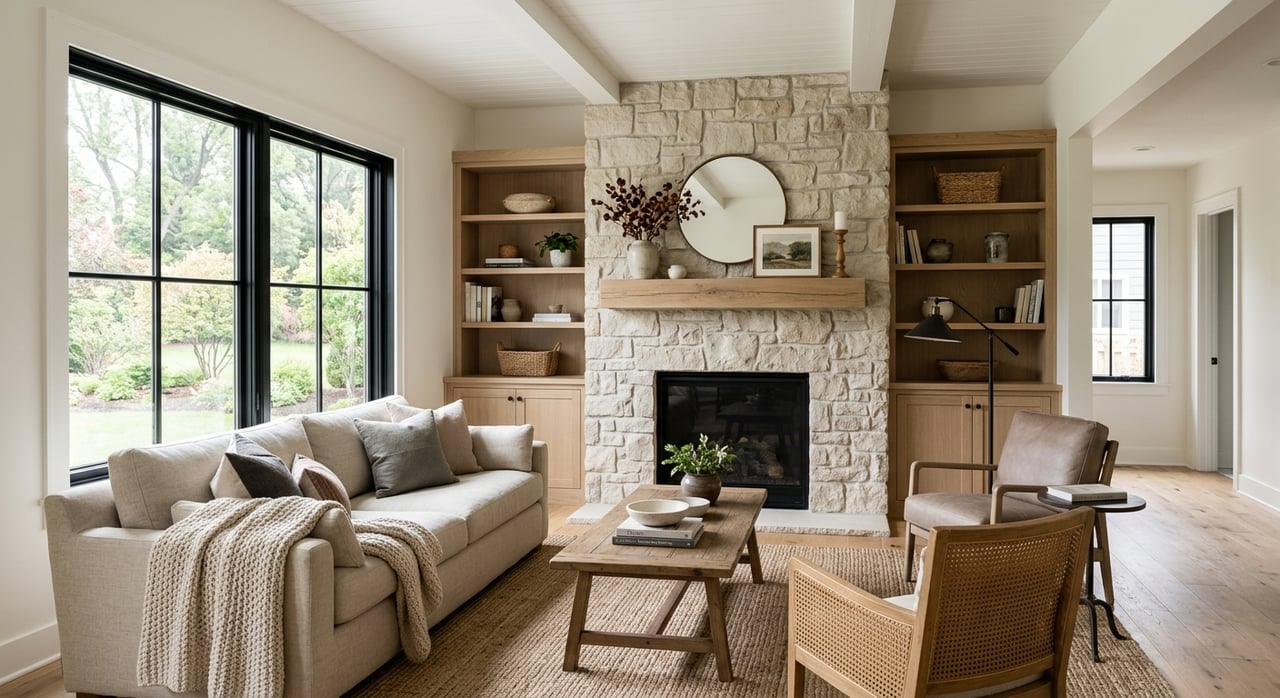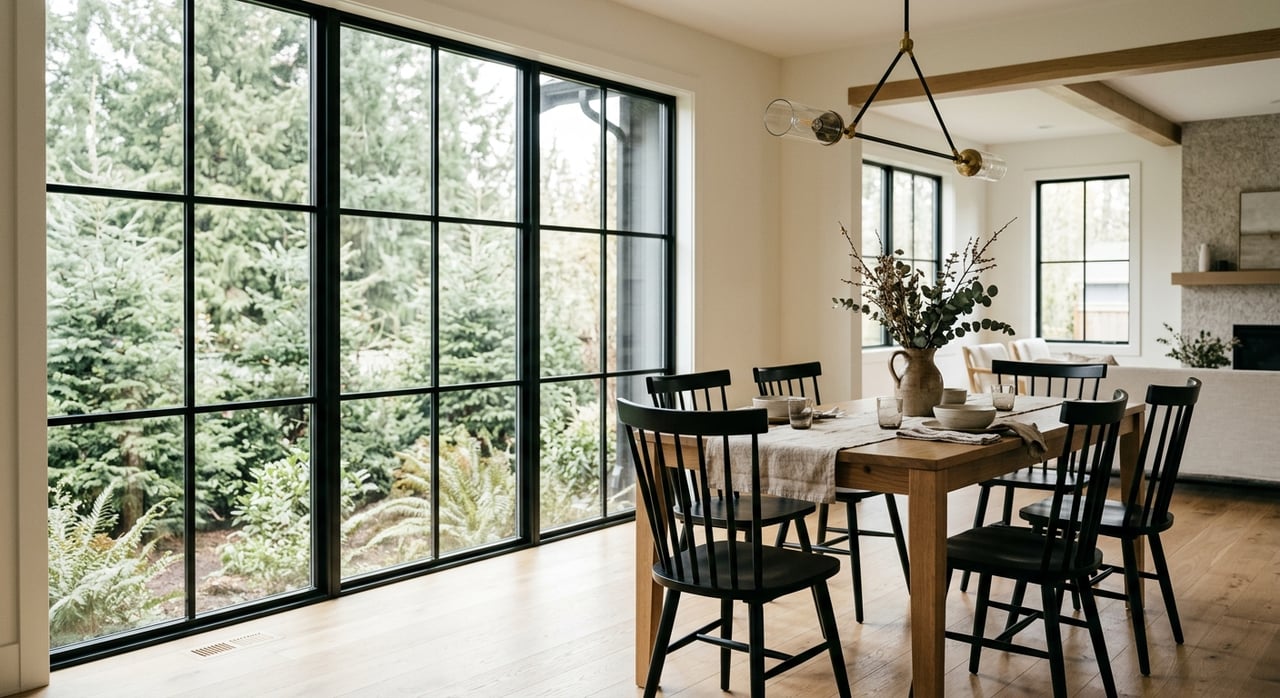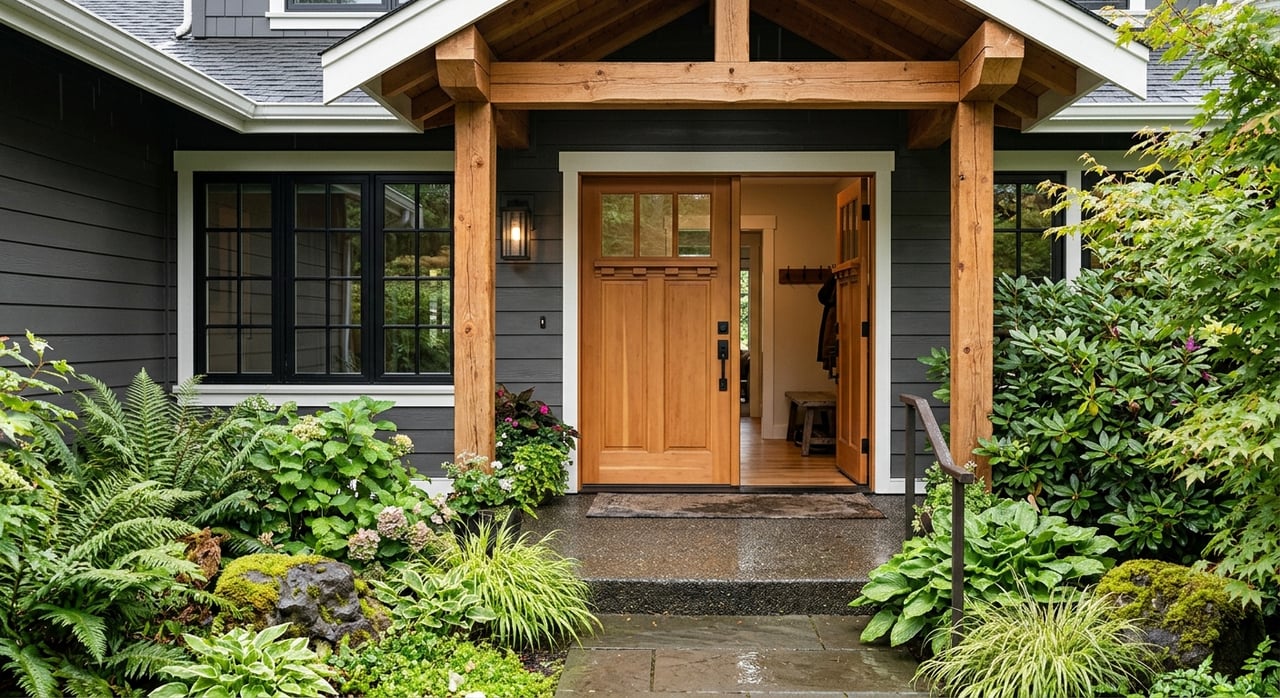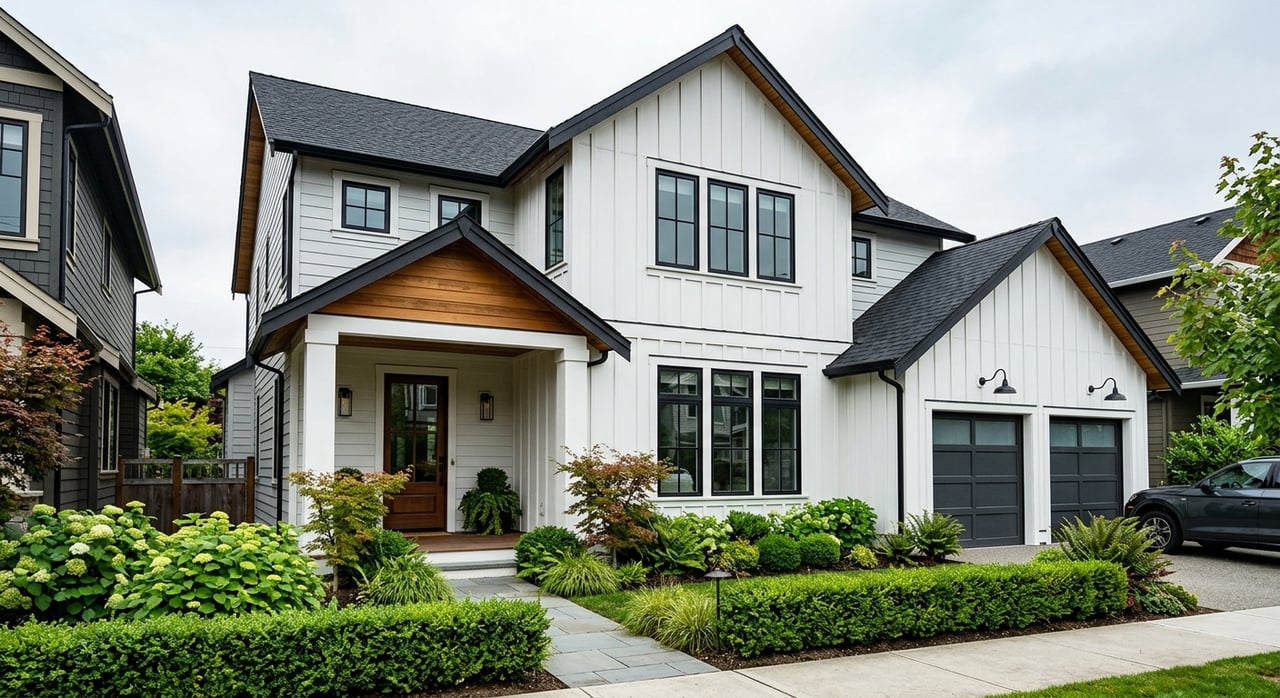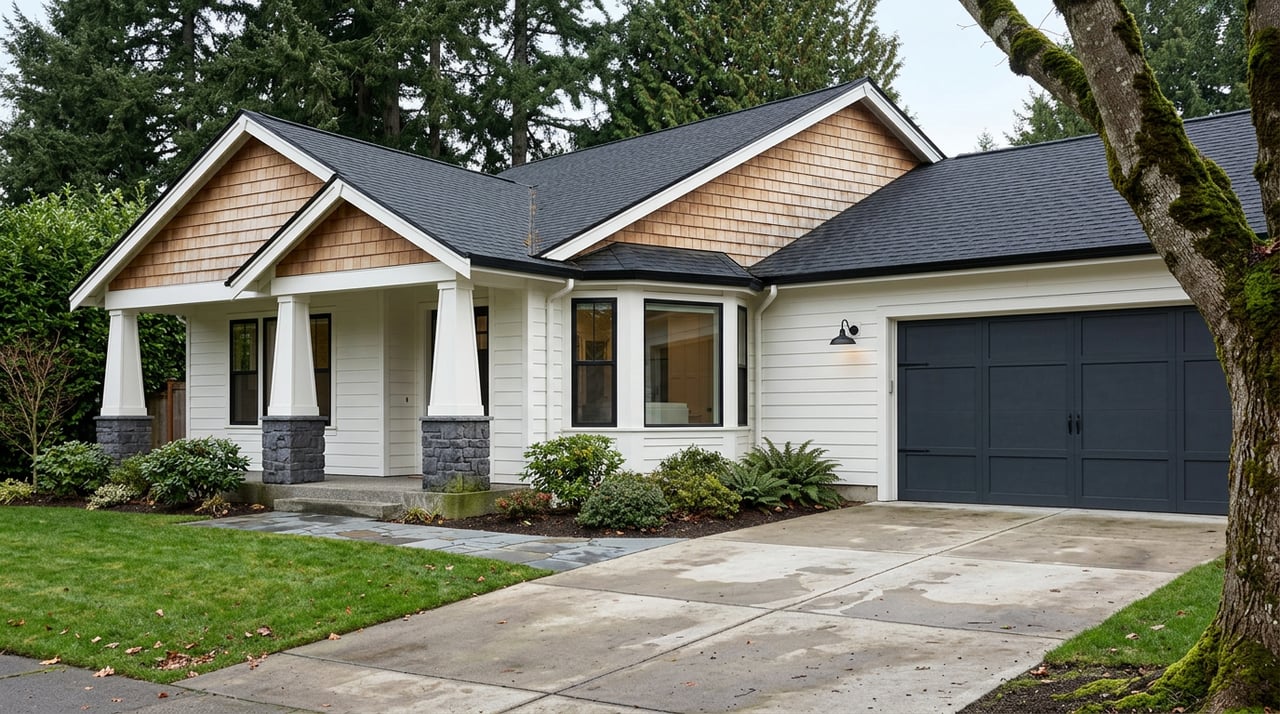
Trying to decide between a brand-new subdivision or an established Ridgefield neighborhood? It is a big choice that impacts your daily routine, budget, and long-term enjoyment. You want the right mix of space, parks, commute, and maintenance peace of mind. This guide breaks down what you can expect in each option, with Ridgefield-specific context to help you compare confidently. Let’s dive in.
Ridgefield growth context that shapes your choice
Ridgefield is growing fast and planning for it. The city’s long-range planning work, including the Envision Ridgefield 2045 comprehensive plan, guides where housing, parks, and commercial areas will be added and what infrastructure supports them. You can review that framework on the city’s comprehensive plan page.
A major driver behind today’s new neighborhoods is the regional sewer expansion known as the Discovery Corridor Wastewater Transmission System, which ties new development to Salmon Creek treatment capacity. You can learn more about this regional project on the Clark Regional Wastewater District site.
City updates also highlight new parks built by developers, improvements to Pioneer Street with roundabouts, and new commercial anchors near the Junction and Union Ridge areas. For current timelines and project status, check the city’s news page.
What you get in new Ridgefield subdivisions
Lot and home sizes
New master-planned neighborhoods often feature compact single-family lots, commonly in the approximate 0.10 to 0.17 acre range, with some plans offering larger lots. You will see a mix, from standard detached homes to phases with larger “estate” lots. The exact size and layout varies by builder and price point.
Parks, trails, and open space
Developers frequently include on-site amenities like playgrounds, trails, and pocket parks. One example is the planned Paradise Pointe Park, a developer-built park that will be dedicated to the city as phases progress. You can see updates and background on Ridgefield Roundtable.
HOAs, CC&Rs, and dues
Most Ridgefield neighborhoods have a homeowners association, and new subdivisions are typically required to form one. HOA rules often cover exterior standards, parking, rental policies, and common-area upkeep. Dues vary based on what the HOA maintains, so review the CC&Rs and budget before you commit. Start with the city’s neighborhoods and HOA directory to identify the association.
New-build benefits: code, warranties, and energy use
New construction is built to modern codes and usually includes builder-backed warranties. A common program is the 2-10 Home Buyers Warranty model, which often includes 1-year workmanship coverage, 2-year systems coverage, and third-party insured structural protection up to 10 years. Ask for the full warranty booklet and builder service process so you know how support works after closing.
New homes also tend to include modern energy features and newer mechanical systems, which can reduce near-term maintenance. Confirm the exact specifications, appliances, and HVAC type in the builder’s feature sheet.
Infrastructure and access
Many new neighborhoods are located near recent city and regional investments, including road work around Pioneer Street and new roundabouts. Check the city’s news page for construction updates that could affect access and timing. For sewer and utility context, the Discovery Corridor Wastewater Transmission System is central to how Ridgefield supports new housing.
What you get in established Ridgefield neighborhoods
Lot size, landscape, and character
Established areas often offer mature trees, established landscaping, and wider variety in lot sizes. You can find traditional small-town parcels, quarter-acre lots, and occasional acreage. These neighborhoods can feel settled and green, with plantings that have had years to mature.
HOA presence varies
Some established neighborhoods have HOAs, but not all do. Rules, dues, and what is covered can differ widely. Verify whether a specific address is in an HOA and review CC&Rs and budgets to avoid surprises. The city’s neighborhoods page is a good starting point to identify HOA status.
Maintenance and system age
Older homes can deliver character and larger interior footprints, but you should plan for higher near-term maintenance risk compared with new builds. A practical budgeting rule of thumb is 1 to 3 percent of the home’s value per year, with older homes leaning toward the upper end. Inspection reports for roof, HVAC, electrical, and plumbing help you estimate the next 3 to 5 years of costs.
Utilities and sewer checks
Do not assume every established home is on public sewer and water. Some older sections historically used on-site systems, and regional upgrades shifted capacity over time. Confirm whether a property is connected to public services or uses a well and septic, and request inspection records if private systems are present. For area-wide sewer background, review the Discovery Corridor project overview and this supplemental notice from the regional wastewater district.
How to choose in Ridgefield: key decision points
Use these questions to compare options side by side:
- Lot size and yard care: How much outdoor space do you want, and how much maintenance do you prefer?
- HOA rules and dues: What are the CC&Rs, dues, and reserve status? Are there rental, parking, or landscaping standards? Start with the city’s neighborhoods page to identify the HOA.
- Parks and public improvements: What on-site parks or trails are planned, and when will they be dedicated to the city? Check updates on Ridgefield Roundtable and the city’s news page.
- Utilities and services: Is the home on public sewer and water? If not, request well and septic inspection records. For regional context, see the Discovery Corridor project.
- New-build warranty and features: What does the builder warranty cover? Ask for the 2-10 style coverage documents, feature list, and service process.
- Permits and timing for new construction: What is the expected completion or occupancy date, and are there any nearby road or utility projects that could impact access? City news posts can help you track milestones.
- Maintenance planning for older homes: Use the 1 to 3 percent rule to frame your annual budget and update it with inspection findings.
- Schools and commute: Verify school boundaries with the Ridgefield School District and drive your likely routes at peak times to understand current traffic patterns.
A quick comparison snapshot
- New build example: In the Pioneer and Union Ridge areas, builder plans and community pages, such as the Pioneer East overview, show product types, street layouts, and amenity orientation. Expect compact lots by design, HOA oversight, and proximity to new infrastructure and services.
- Established example: Near the historic core, you can often find older homes with mature landscaping and a wider range of lot sizes. You trade a builder warranty for character and space, and you should budget for system updates.
Your next step
Both paths can be excellent in Ridgefield. If you want modern systems, a warranty, and planned amenities, a new subdivision may fit best. If you value lot size, mature trees, and a more varied streetscape, an established area could be the right move. Either way, a thoughtful review of HOAs, utilities, parks, and maintenance will set you up for a low-stress purchase.
If you would like a tailored comparison of specific neighborhoods and current listings, connect with Joy for a calm, step-by-step plan that fits your goals. Reach out to Joy Johnson to get started.
FAQs
Do new Ridgefield neighborhoods always have HOAs?
- Most neighborhoods have HOAs and new subdivisions are typically required to form one, but you should verify the specific neighborhood using the city’s neighborhoods directory.
How big are lots in new Ridgefield subdivisions?
- Many new detached lots are commonly marketed around 0.10 to 0.17 acres, with larger options in certain plans or price bands, so confirm the exact lot size on the listing and plat map.
Are parks and trails included in new developments?
- Frequently yes, with developer-built parks and trails that are planned for dedication to the city, such as the Paradise Pointe Park example on Ridgefield Roundtable.
What warranties come with new construction in Ridgefield?
- Builders often provide a warranty package similar to the 2-10 model that covers 1-year workmanship, 2-year systems, and up to 10-year structural protection, so request the full program details before closing.
How much should I budget for maintenance on an older home?
- A practical rule of thumb is 1 to 3 percent of the home’s value per year, with older homes usually needing more due to roof, HVAC, electrical, or plumbing updates.