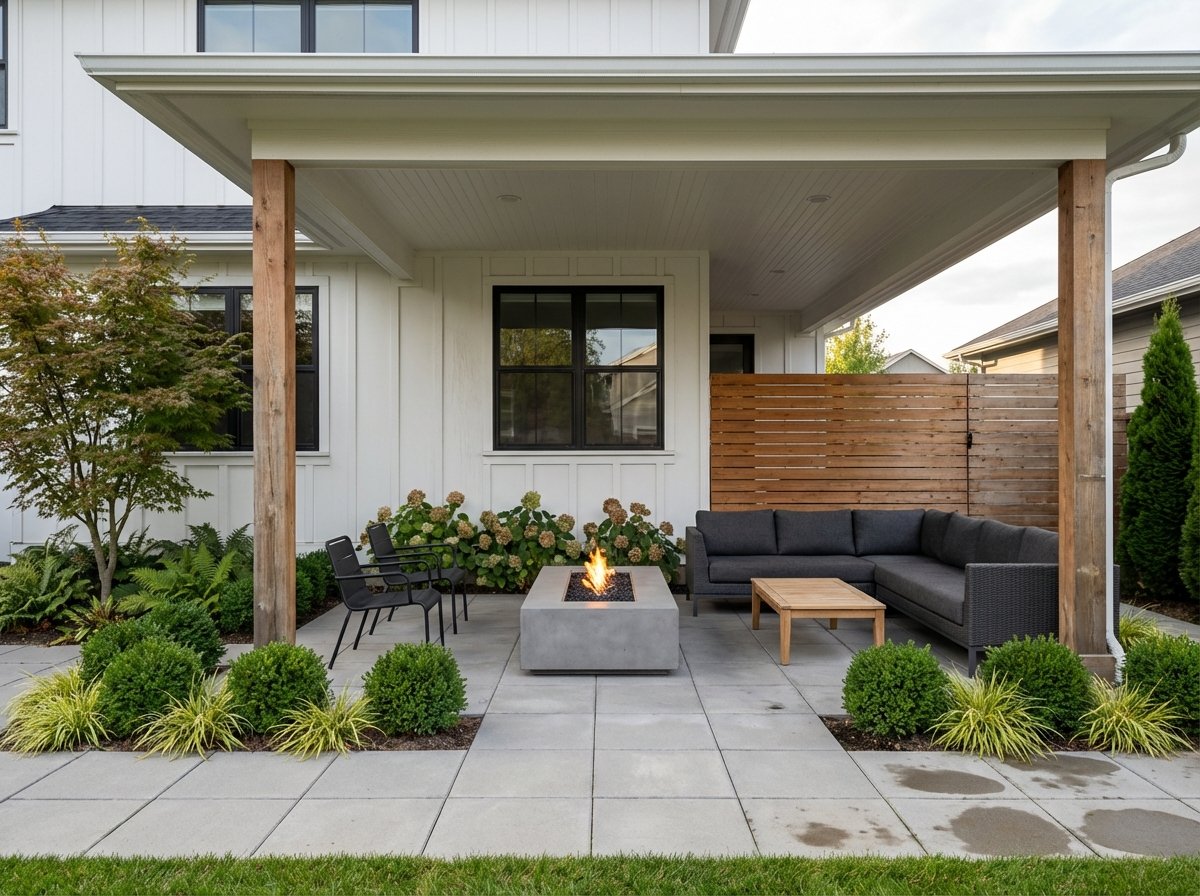
Rain in October and sunshine in July can make your Vancouver backyard feel like two different spaces. You want a spot that works on a drizzly Tuesday and a summer Friday night. With a few smart choices, you can create an outdoor area that holds up to wet winters, shines in summer, and adds daily enjoyment. In this guide, you’ll find weather-savvy features, materials that last, plant picks that thrive, and need-to-know local rules. Let’s dive in.
Why Vancouver yards need smart design
Vancouver sits in a temperate, marine-influenced climate with most rain falling from October through April and a drier stretch in late spring and summer. The regional climate normals confirm this wet-to-dry swing for the Portland–Vancouver area, which helps you plan timing and materials wisely. You can review the pattern in the National Weather Service’s Portland climate normals. Most of Vancouver is in USDA Zone 8b, so perennials should be chosen with winter lows and summer dryness in mind. For your exact microclimate, use the USDA Plant Hardiness Zone Map.
Covered seating that works in the rain
Covered but open designs help you enjoy the yard year-round. Pergolas with solid or louvered roofs, small porch covers, and retractable canopies keep rain off while preserving light and views. Choose corrosion-resistant fasteners like stainless steel or hot-dip galvanized to handle damp conditions. Plan for water to move away from the house by grading the patio, adding gutters on covers, and routing downspouts into lawn, planters, or infiltration features. For homeowner guidance on runoff and safe moss removal, see the City’s tips on preventing stormwater pollution at home.
Deck or patio: which fits your lot
Both decks and patios can add livable space and resale appeal if you match the choice to your yard and budget.
- Pick a deck for raised lots, better views, and easy flow from an upper-level door. Wood often costs less up front, while composite reduces long-term maintenance.
- Pick a concrete or paver patio for level yards, a tighter budget, or when you want lower upkeep in winter.
- Exterior projects like decks often show solid cost recoup in national data. For general ROI context, review Remodeling’s Cost vs. Value report. Your neighborhood and price point still matter, so align features with local buyer expectations.
Safe and cozy fire features
Backyard fires are allowed in Clark County when they meet specific rules. Recreational fires must be in an approved pit, stay about 3 feet in diameter by 2 feet high, sit at least 25 feet from structures, and have 20 feet of vertical clearance. Fires must be constantly attended and fully out when done. Always check current burn bans before lighting up. Review the county’s outdoor burning rules and current advisories from the Southwest Clean Air Agency.
If you want a permanent natural-gas fire pit, expect permits and inspections for gas piping. Portable propane units usually have fewer permitting steps but still need proper clearances. When in doubt, contact the City’s permit center using the residential permits guide.
Low-maintenance, Northwest-friendly plants
Choose Pacific Northwest natives or regionally adapted plants that handle wet winters and need less water once established. OSU Extension’s native plant guide lists durable picks like vine maple, Oregon grape, salal, sword fern, red-flowering currant, and native groundcovers. Start with the OSU resource on gardening with Oregon native plants and confirm they suit your site’s light and drainage.
Tips for easier care:
- Group plants by water needs to simplify irrigation.
- Shrink lawn areas that demand frequent summer watering.
- Use mulch to retain moisture and suppress weeds.
- Install drip irrigation for new beds, then taper water as plants mature.
Hardscape, drainage, and slip resistance
Rain, shade, and cooler temps can encourage moss or algae on hard surfaces. Choose textured pavers or brushed concrete for grip. Avoid flat, highly porous surfaces in damp, shaded corners where slick growth is common. Favor permeable options like pavers with open joints or stabilized gravel, and direct downspouts into planted areas or rain gardens rather than storm drains. The City’s homeowner guidance on stormwater best practices covers safe cleaning and runoff management.
Materials that last in a damp climate
Deck boards: Composite resists rot and reduces maintenance, while pressure-treated framing, Western red cedar, and other rot-resistant woods remain common. Stainless or hot-dip galvanized connectors and hardware are essential in our moisture-rich climate. For a practical overview of deck materials and upkeep, review this industry guide from Modernize.
Surface finishes: Use non-slip textures on patios and stairs. Keep a slight pitch on hardscapes so water drains away. Expect periodic cleaning for moss and algae, and follow city guidance to keep wash water and chemicals out of storm drains.
Permits and pros: build it right
Many simple projects are straightforward, but some trigger permits. In Vancouver, small ground-level patios and decks 18 inches or less above grade are commonly exempt from building permits. Add a roofed cover, attach a structure, support a hot tub, build a second-story deck, or span unusual conditions and you will likely need a residential permit and possibly engineered plans. Check the City’s residential building permits page before starting.
When hiring help, protect your project by verifying contractors. Washington State L&I explains how to hire and check registration, bonding, and insurance. Start with L&I’s guidance on hiring a contractor.
Simple add-ons buyers love
You do not need a huge remodel to make your yard shine. Consider these quick-win upgrades:
- A compact covered seating area with string or task lighting for year-round use.
- A small, code-compliant fire table for evening warmth.
- Layered evergreen shrubs for privacy and a green backdrop.
- Quality outdoor furniture or built-in benches to define zones.
National data shows many exterior projects can support resale appeal. Match features to the scale of your home and neighborhood to capture the most value.
Seasonal care checklist for Vancouver
- Late winter to early spring: Clear gutters and downspouts, sweep needles from decks, check fasteners, and reseal wood where needed. Clean moss and algae with methods that keep runoff contained, following the City’s pollution prevention tips.
- Spring to summer: Plant after the last big rains so roots can establish before peak heat. Mulch beds to lock in moisture. Service gas lines and fire features. Monitor for summer burn bans through local air quality updates.
- Autumn to winter: Store cushions and moveables, protect propane tanks, and keep drains clear. Confirm water sheds away from foundations and yard structures.
Ready to plan outdoor updates with resale in mind or prep your property for market? Reach out to Joy Johnson for local guidance that helps you prioritize smart, market-friendly improvements.
FAQs
Do I need a permit for a new deck in Vancouver, WA?
- Decks more than 18 inches above grade, covered decks, second-story decks, decks supporting hot tubs, or unusual structural spans typically require a residential permit and sometimes engineered plans; confirm details with the City’s residential permits.
Are backyard fire pits legal in Clark County?
- Recreational fires are allowed when they meet county rules on size and clearances, are constantly attended, and are fully extinguished, and they may be temporarily restricted during burn bans; check outdoor burning rules and the Southwest Clean Air Agency for current advisories.
What plants are low maintenance for Vancouver yards?
- Pacific Northwest natives like vine maple, Oregon grape, salal, sword fern, and red-flowering currant are strong choices; use OSU’s guide on gardening with Oregon native plants and verify hardiness with the USDA zone map.
How does our climate affect patio and deck choices?
- Wet winters and shaded areas can be slick, so use textured, non-slip surfaces and plan for drainage; in damp conditions, choose rot-resistant decking materials and corrosion-resistant fasteners, and maintain surfaces to limit moss and algae growth.