If you are thinking about selling in Ridgefield, one question matters more than almost anything else: Are you pricing and presenting your home for the market you have, or the market you hope for? That can be a tough call when local headlines, online estimates, and neighbor opinions all say something different. The good news is that with the right strategy, you can price with confidence, focus your prep where it counts, and avoid the costly mistakes that lead to extra days on market. Let’s dive in.
Understand Ridgefield market signals
Ridgefield is growing quickly, and that growth is shaping how buyers evaluate homes. The city's population estimate reached 15,359 as of July 1, 2024, and the city expects continued growth through 2035, according to U.S. Census QuickFacts and the City of Ridgefield Comprehensive Plan. Local planning priorities also highlight parks, trails, sidewalks, downtown revitalization, and neighborhood quality, which means buyers may look beyond square footage alone.
Current pricing data also shows why accuracy matters. Redfin's Ridgefield housing market data reports a March 2026 median sale price of $694,030, an average of about 68 days to sell, a 99.7% sale-to-list ratio, and 31.3% of homes with price drops. Zillow reports a separate home value index for Ridgefield, while Realtor.com market data for Clark County shows broader county trends with different geography and methodology.
The takeaway is simple: these numbers are helpful, but they are not interchangeable. A median sale price, a list price, and a home value index each tell you something different. If you want to price well, you need to look at recent comparable sales and how buyers are responding right now.
Price from comparable sales
A smart list price starts with a comparative market analysis, or CMA. According to the National Association of Realtors consumer guide on pricing your home, pricing should account for size, location, amenities, condition, and current market conditions, while comparing your home to recently sold, under-contract, and active properties nearby.
That matters in Ridgefield because local data suggests buyers are still active, but not blindly overpaying. With homes selling close to list price on average and a meaningful share still needing price reductions, overpricing can limit momentum early. In many cases, the first days on market are when your home gets the most attention, so the right price from day one can make a real difference.
Match price to your goals
Not every seller has the same timeline, and your pricing strategy should reflect that. NAR notes that if speed is your top priority, a more competitive price may help attract stronger interest sooner. If you have more flexibility, you may choose to test a higher number, but that choice should still be grounded in comparable sales and buyer demand.
You also want to think beyond the highest headline number. As NAR explains, the best offer is not always the highest one, because cash terms, financing strength, contingencies, and repair requests all affect your certainty and net proceeds. A good pricing strategy sets you up for better offers, not just more attention.
Focus prep on what buyers notice
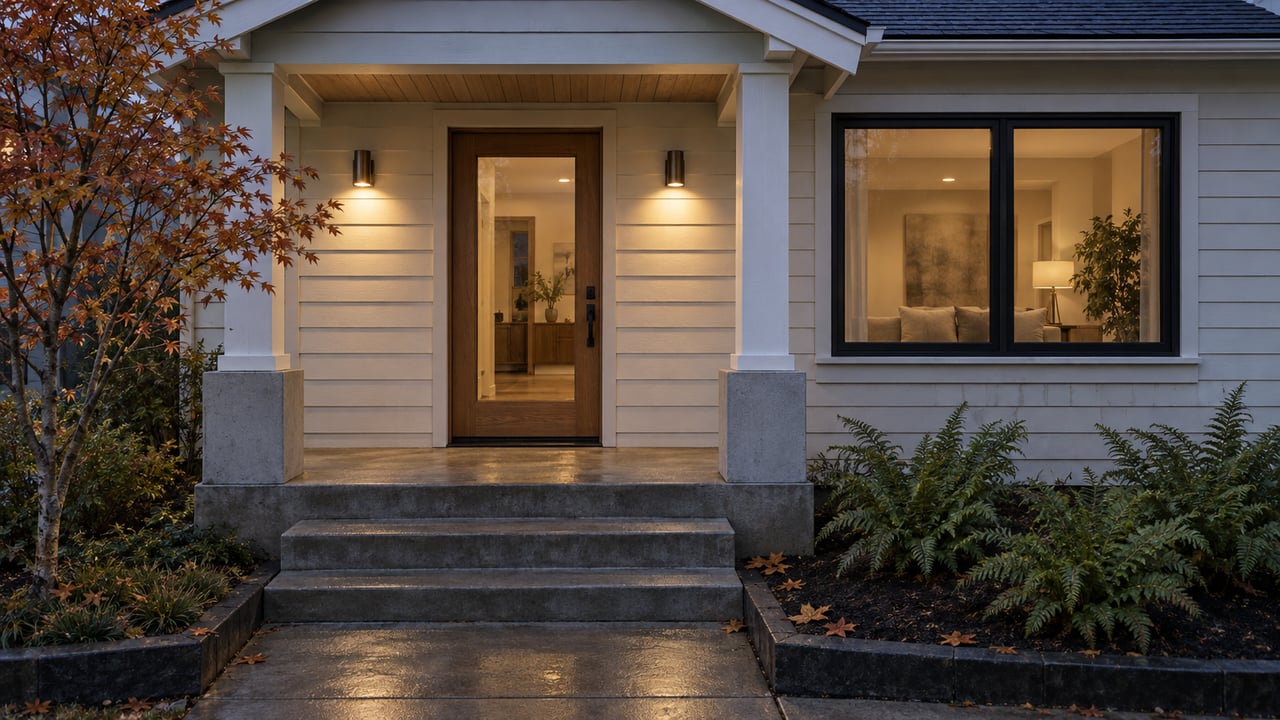
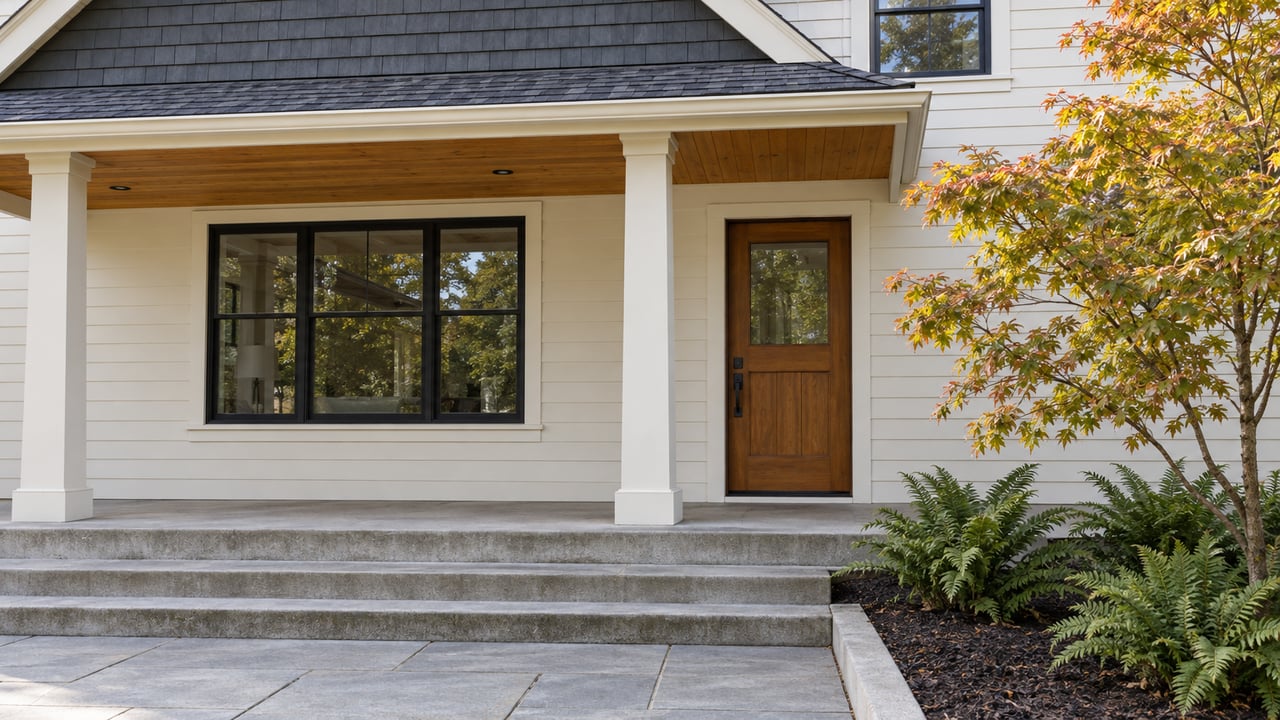
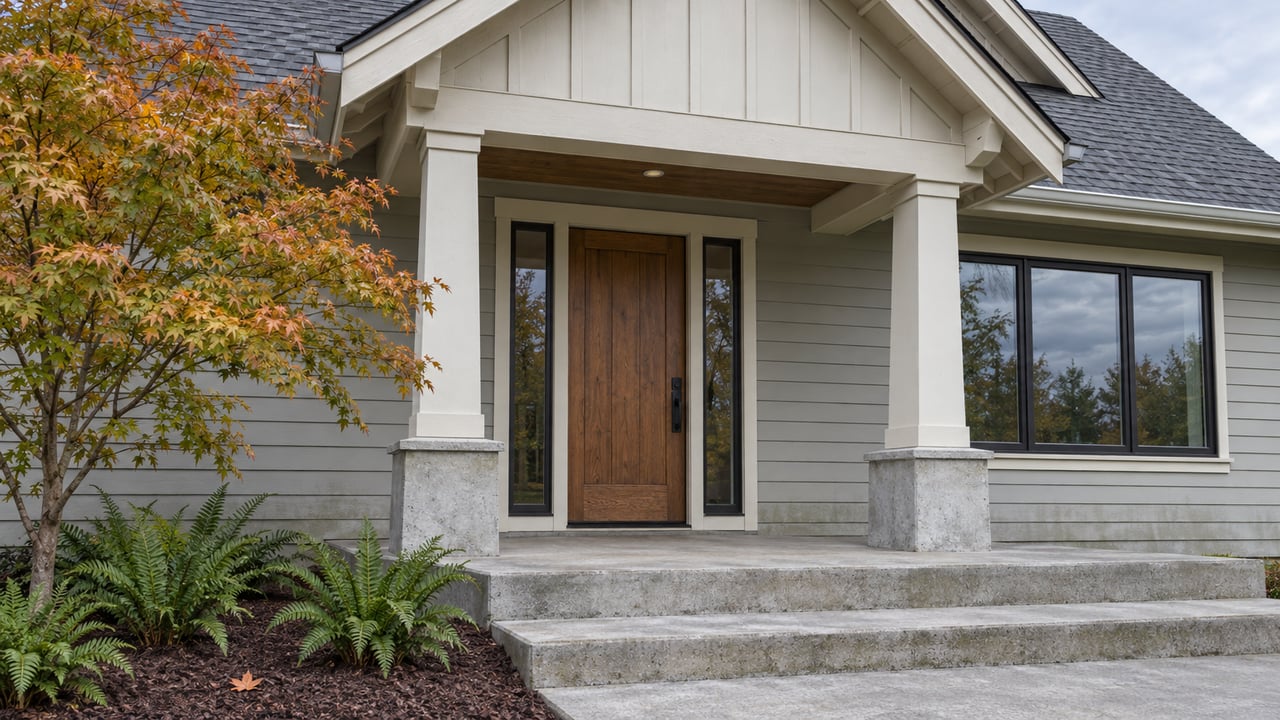
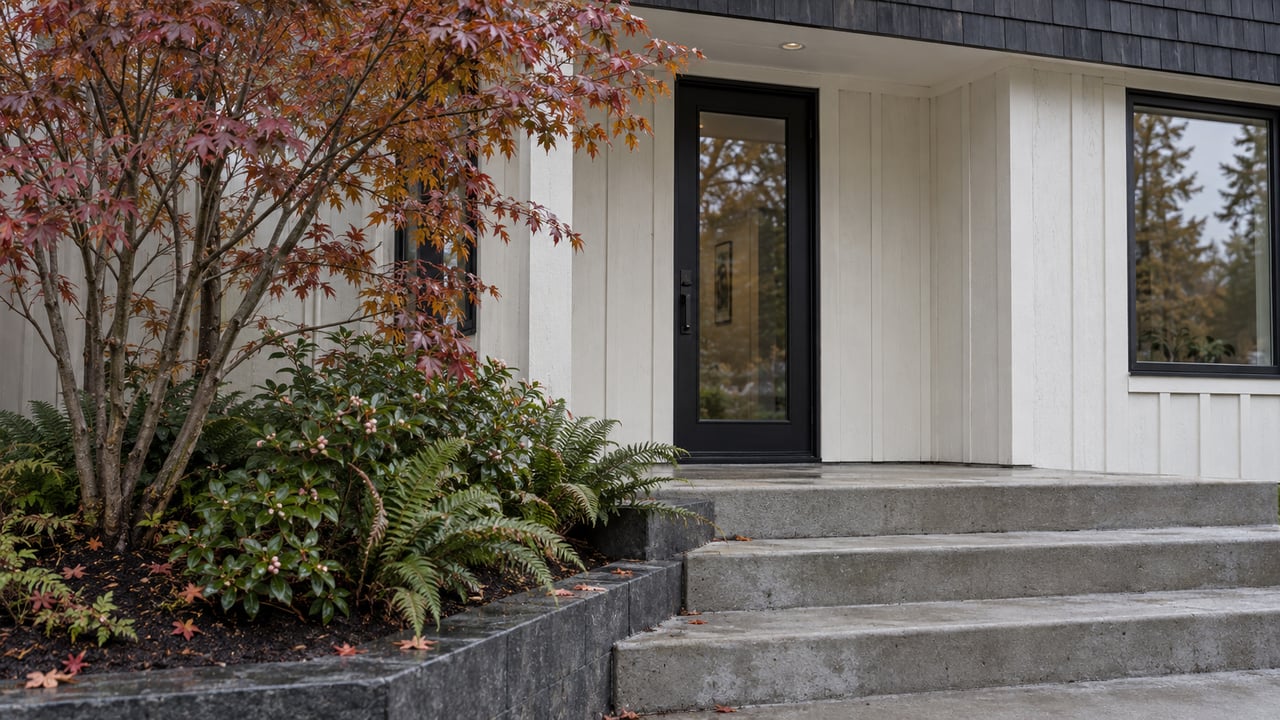
You do not need a massive remodel to make your Ridgefield home more market-ready. The NAR consumer guide for preparing to sell your home recommends practical steps like decluttering, cleaning windows, carpets, lighting fixtures, and walls, plus improving curb appeal through landscaping, paint, and the front entry.
These improvements matter because they help buyers form a positive impression quickly, both online and in person. Clean, bright, simple spaces tend to photograph better and feel easier to imagine living in. In most cases, that kind of low-cost preparation gives you more value than jumping into broad renovation projects.
Prioritize the right rooms
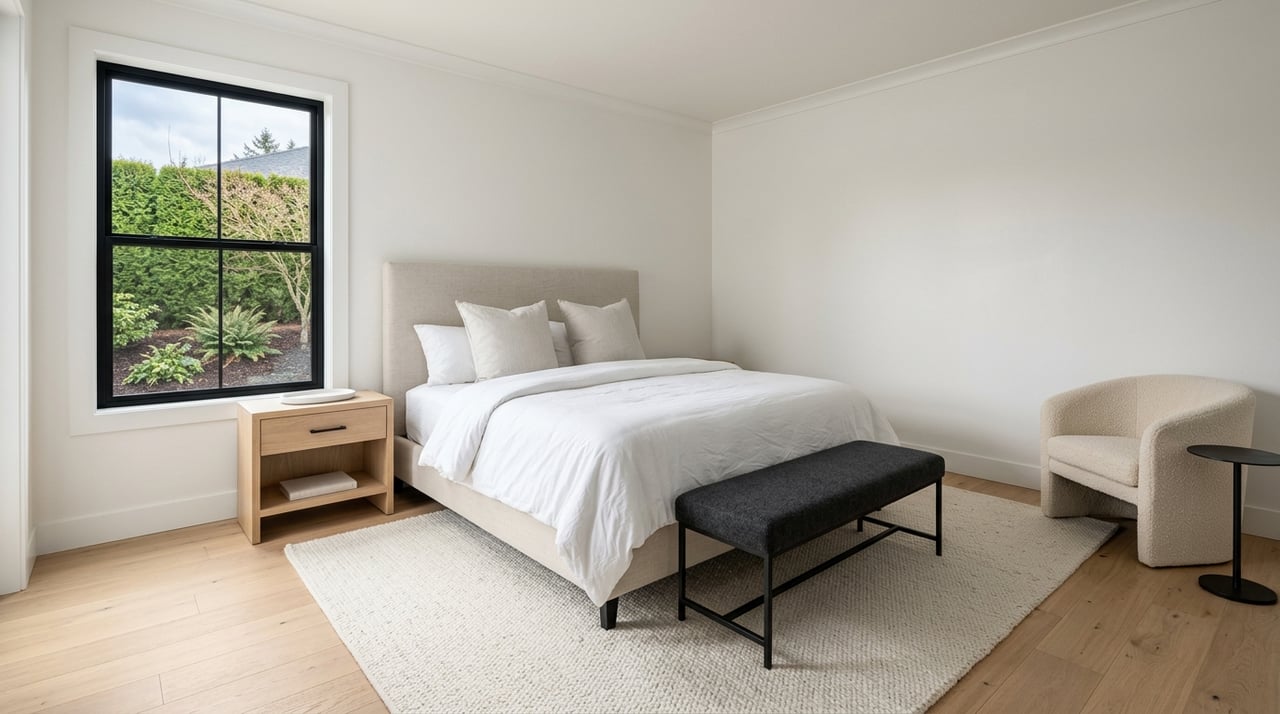
If you are wondering where to spend your time first, start with the rooms buyers tend to notice most. According to the 2025 NAR staging report, buyers cared most about the living room, primary bedroom, and kitchen. The same report found that 49% of agents said staging reduced time on market, and 29% saw a 1% to 10% price increase from staging.
That does not mean you need to furnish your home like a magazine spread. It means you should aim for spaces that feel open, clean, and easy to understand. Remove excess furniture, clear countertops, soften busy décor, and let natural light do its work.
Keep updates practical
Before you spend money, ask whether the work will remove a buyer objection or simply reflect personal taste. In many cases, sellers get the best return from targeted fixes, fresh paint, deep cleaning, and replacing worn or distracting finishes. If your home has deferred maintenance, NAR recommends estimating the cost even if you decide not to repair it, because buyers will likely factor that into negotiations.
You can also use repair credits or concessions strategically. Sometimes it makes more sense to fix a problem before listing, and sometimes it is better to price with that issue in mind. The right answer depends on your budget, timeline, and the condition of competing homes.
Check permits before listing
If you completed major work in recent years, it is worth verifying that the proper permits were pulled. Clark County permit guidance notes that cosmetic work such as painting, carpeting, cabinets, and countertops generally does not require permits, while additions, wall removals, garage conversions, re-roofing, siding or window replacement, and many structural changes often do.
According to the county's permit center, permits help protect your investment and reduce the risk of unsafe construction. From a selling standpoint, permit questions can come up during buyer due diligence, so it is better to sort that out early rather than scramble later.
Consider a pre-listing inspection
A pre-listing inspection is not required, but it can be helpful. NAR says it may reveal issues before buyers discover them, giving you time to make repairs, gather estimates, or adjust your price and strategy. That can reduce surprises once you are under contract.
For some sellers, this step creates peace of mind and a smoother negotiation process. For others, especially if the home is newer or very well maintained, it may be less necessary. The key is to weigh the cost against the value of clarity.
Treat presentation like pricing
Professional presentation is not just a marketing extra. It is part of how buyers judge value. NAR reports that buyers' agents consider photos, videos, virtual tours, and physical staging highly important, which means your home's visual first impression can influence whether buyers book a showing at all.
This is especially relevant in Ridgefield, where lifestyle cues can help shape buyer interest. The city's planning documents emphasize trails, parks, neighborhood connectivity, and downtown quality, so thoughtful marketing can help connect your home's location to everyday living. Clear visuals and strong listing copy help buyers understand both the home and the broader setting.
Time your listing with the season
Timing is never the only factor, but it can help. Realtor.com's 2026 best time to sell report identified March 22, 2026 as the best listing week for the Portland-Vancouver-Hillsboro metro, with a 3.1% price premium, 25.9% more views, 35.6% fewer price reductions, and 9 fewer days on market compared with the average week.
Other sources point to slightly different dates, including Zillow's national analysis, but the shared message is that spring tends to be an important selling season. If your home is not fully ready for that exact window, do not rush to market half-prepared. A well-priced, well-presented home often performs better than one listed early but not ready.
A practical Ridgefield selling plan
If you want a simple way to think about it, here is the process:
- Review recent sold, active, and pending comparable homes.
- Set a price based on condition, competition, and your timeline.
- Declutter, deep clean, brighten, and simplify the home.
- Address obvious repairs or plan for credits.
- Verify permits for major past work.
- Invest in strong photos and polished presentation.
- Launch when the home is truly ready.
This approach helps you avoid two common seller mistakes: pricing too high at the start and spending too much on the wrong improvements. In Ridgefield's market, careful preparation and realistic pricing can work together to protect your momentum and your bottom line.
If you are getting ready to sell and want a low-stress plan tailored to your home, Joy Johnson can help you evaluate pricing, prioritize prep, and create a thoughtful strategy that fits your goals.
FAQs
What is the best way to price a home in Ridgefield, WA?
- The best approach is to use a CMA based on recent sold, active, and pending comparable homes, while factoring in your home's size, condition, location, amenities, and your timeline.
How long are Ridgefield, WA homes taking to sell?
- Redfin reports that Ridgefield homes were selling in about 68 days on average, though timing can vary based on price, condition, and presentation.
Which rooms matter most when preparing a Ridgefield home to sell?
- NAR staging data says buyers focus most on the living room, primary bedroom, and kitchen, so those rooms are smart places to start.
Should I make repairs before listing my Ridgefield home?
- Minor repairs and maintenance can help reduce buyer objections, and if you choose not to fix something, it is smart to understand the likely cost because buyers may use it in negotiations.
Do I need permits for updates before selling a home in Clark County, WA?
- Cosmetic work often does not require permits, but many structural or major exterior projects do, so it is wise to verify permits for recent larger improvements before listing.
Should I get a pre-listing inspection for my Ridgefield home sale?
- It is optional, but it can help uncover issues early so you can repair them, price accordingly, or prepare for buyer questions before going to market.