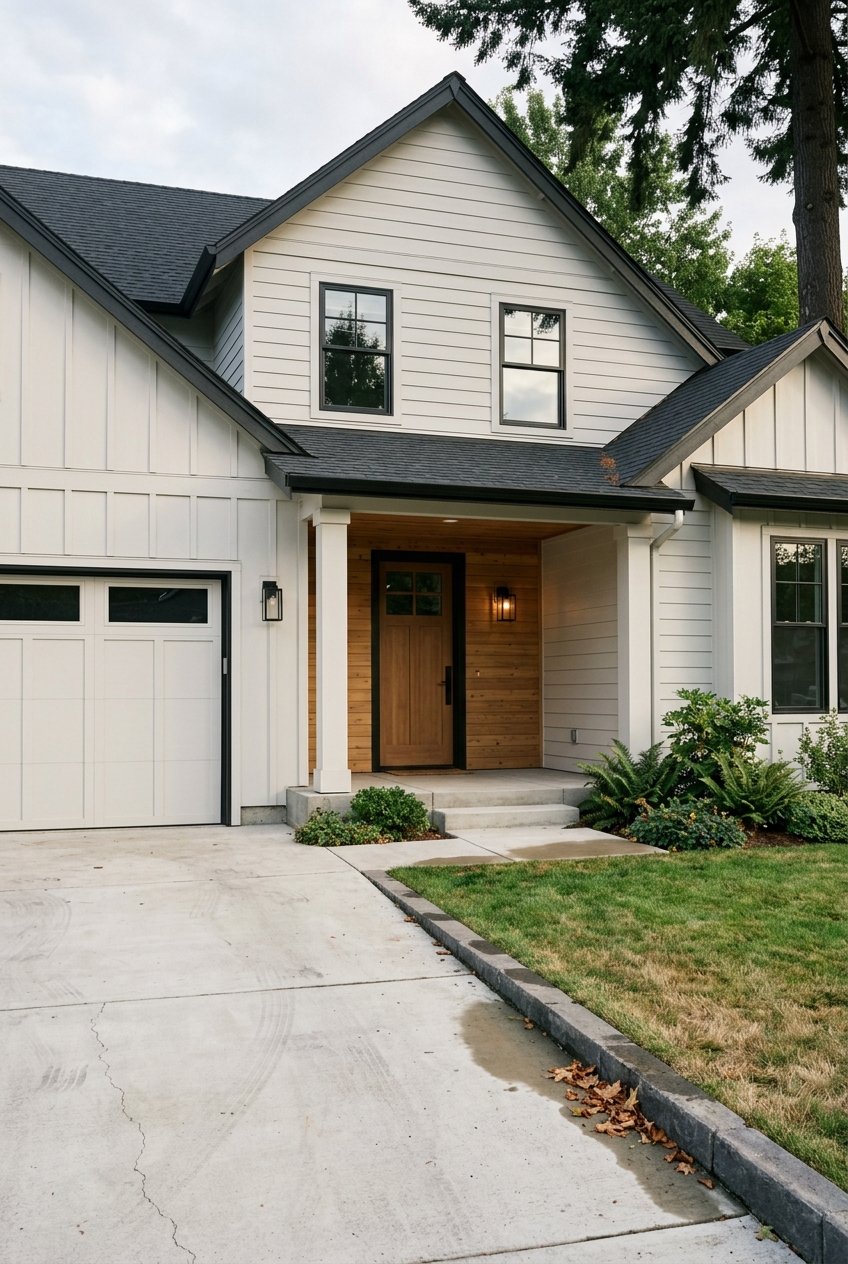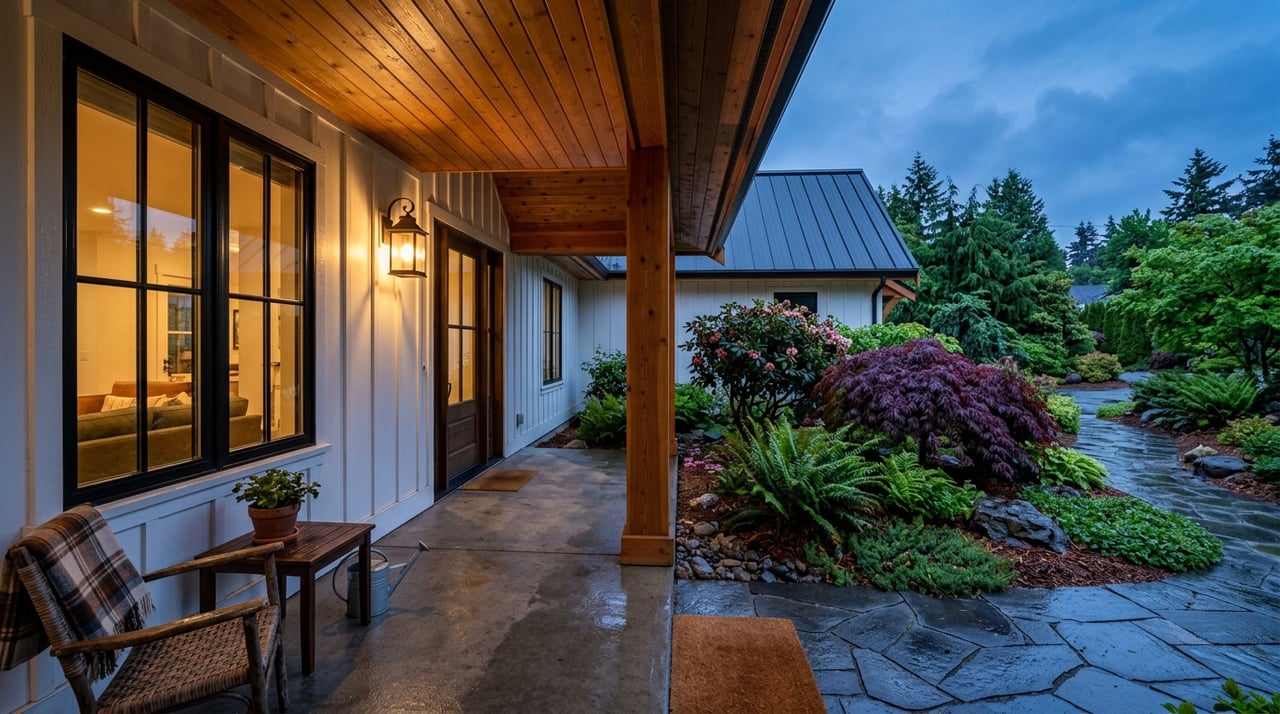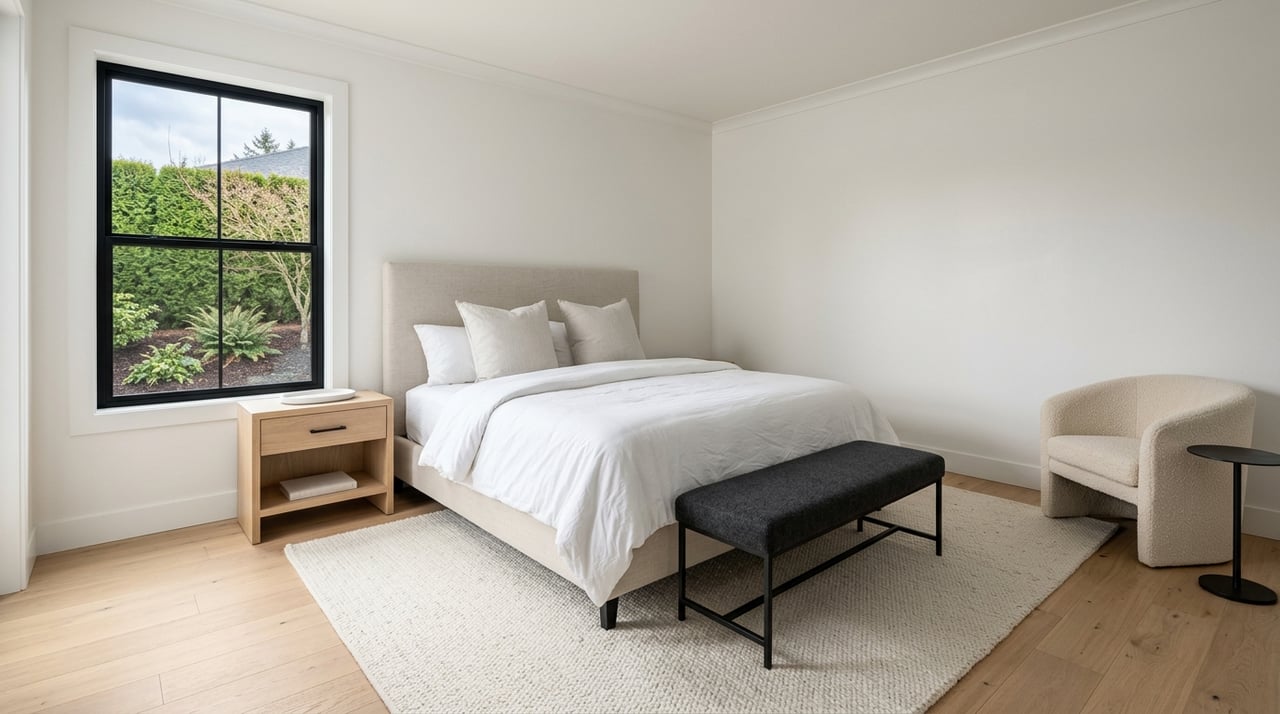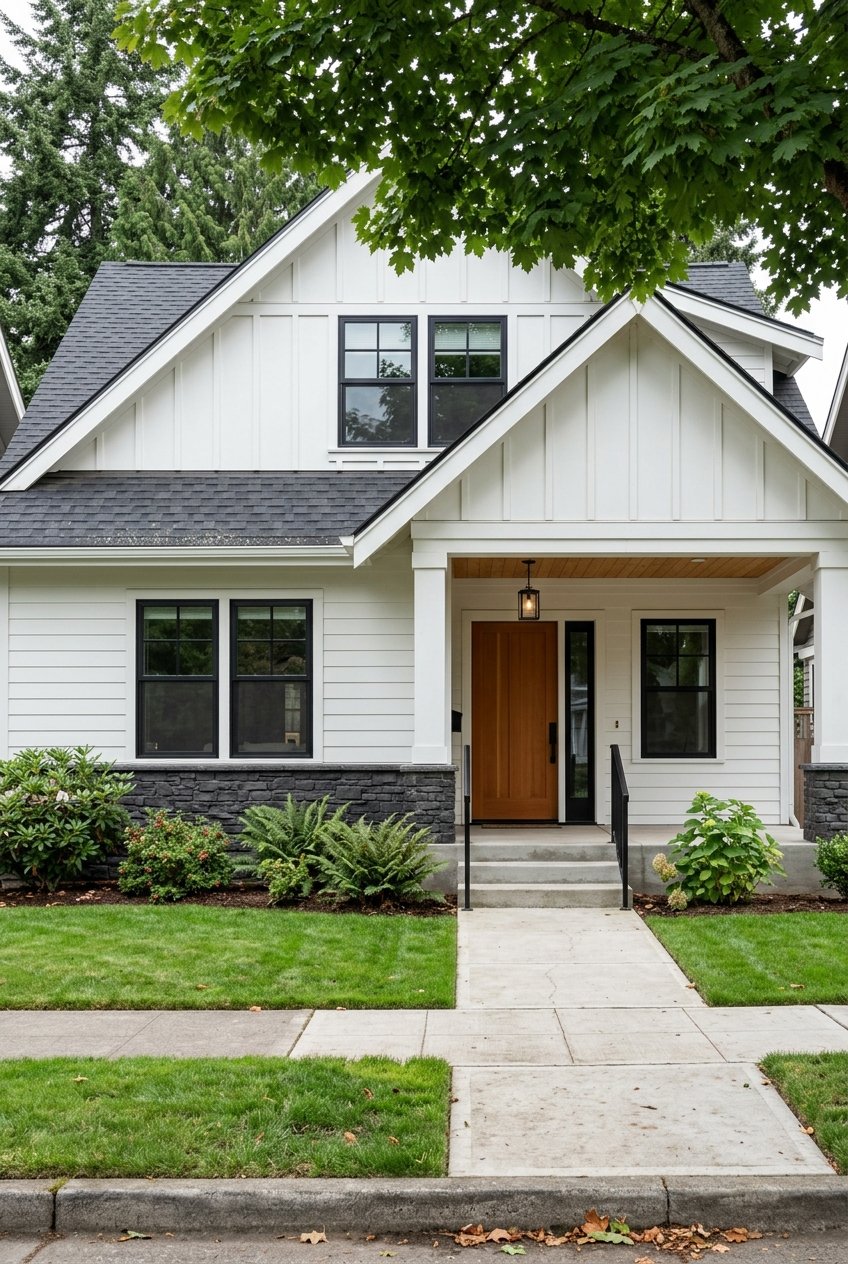
Choosing a Camas neighborhood is not just about square footage or price. It is also about how you want your day-to-day life to feel, from walkable older streets near downtown to established suburban pockets and newer planned communities. If you are trying to figure out which style fits your routine, budget, and maintenance comfort level, this guide will help you compare the main options in Camas and tour with more confidence. Let’s dive in.
Why neighborhood style matters in Camas
Camas is growing, and that growth shapes how different parts of the city feel. Census QuickFacts estimates the city’s population at 27,749 as of July 1, 2025, and local planning points to growth toward nearly 38,000 by 2045. That means Camas is not frozen in time. It is a city where older character, established neighborhoods, and newer development all exist side by side.
The city also offers a mix of features that influence how buyers compare neighborhoods, including a historic downtown, about 60 miles of trails, active neighborhood associations, and shoreline areas tied to Lacamas Creek, Fallen Leaf Lake, Lacamas Lake, Round Lake, and the Columbia and Washougal rivers. When you tour Camas, you are often weighing convenience, home age, outdoor access, and future development all at once.
Historic Camas neighborhoods
Historic or older in-town streets are the best match if you love character and want to be closer to downtown. The city’s downtown planning documents focus on preserving and enhancing the area’s historic sense of place, with tree-lined streets, landscaped frontages, pedestrian areas, street-level retail, and upper-floor housing or office space. In practical terms, that often creates a more walkable, mixed-use feel near the core.
Camas also has a meaningful share of older housing stock. The city’s housing action plan shows that 10.7% of homes were built before 1940, 3.3% in the 1940s, 7.0% in the 1950s, and 3.3% in the 1960s. If you are drawn to mature trees, older architecture, and an in-town setting, this is usually where that appeal shows up most clearly.
What to expect in older areas
Older homes can offer charm that is hard to recreate in newer construction. You may find established landscaping, more architectural variety, and quicker access to downtown amenities. For many buyers, that tradeoff is worth it.
At the same time, older homes usually deserve a closer look during tours. Renovation history, utility updates, parking, and lot functionality matter more here than they often do in newer neighborhoods. If you want a home that supports your lifestyle without a major remodel, these details can make a big difference.
Who historic areas may suit best
Historic Camas can be a strong fit if you want:
- Proximity to downtown
- Mature trees and older streetscapes
- Unique home character
- A more in-town feel
This style may be less ideal if your top priorities are brand-new systems, highly standardized layouts, or minimal maintenance.
Established suburban Camas neighborhoods
Established suburban neighborhoods make up a large part of modern Camas. According to the city’s housing action plan, 28.2% of homes were built from 1990 to 1999, 28.5% from 2000 to 2009, and 9.0% from 2010 to 2018. That means much of the city’s housing came online during the late 1990s and 2000s, creating a strong middle ground between historic in-town areas and the newest growth zones.
This part of Camas often lines up with what many buyers picture when they think of suburban living. City planning language highlights livable neighborhoods, open space, and parks and recreation amenities. For buyers, that usually translates into a practical focus on daily function rather than historic charm.
What to look for in suburban areas
In established suburban neighborhoods, your checklist often shifts. Instead of asking whether an old home has updated systems, you may be asking how much exterior maintenance you want, whether there are HOA obligations, and how close you want to be to trails or parks.
Traffic flow can matter too. Some buyers want a quieter internal street network, while others prioritize quicker commuter access. Because these neighborhoods vary in age and layout, it helps to think through your routine before you start touring.
Why many buyers like this category
Established suburban Camas often appeals to buyers who want balance. You may get more predictable layouts, a neighborhood that feels settled, and easier upkeep than some older homes can offer. Camas also has a high owner-occupied housing rate of 78.3%, which supports the sense of a stable residential community.
If you want a neighborhood that feels established without being as old as the downtown-adjacent areas, this category often hits the sweet spot.
New-build Camas neighborhoods
New-build and master-planned neighborhoods are where you see Camas’s current growth most clearly. The city’s Development Engineering division is involved in new development projects that include water, sanitary sewer, storm sewer, roads, sidewalks, and inspections. The Building Division also oversees code compliance for new construction. For buyers, those processes often translate to newer utilities, more standardized streetscapes, and clearer development phasing.
These neighborhoods can look and feel different from older Camas. Streets, lot layouts, and home styles may feel more uniform, and community growth may happen in phases rather than all at once. That can be appealing if you value newer construction and a more predictable physical environment.
How newer Camas may keep evolving
New-build Camas is not just about detached single-family homes. In 2025, the city adopted middle-housing and ADU rules that allow two middle-housing units per residential lot, or four if at least one unit is affordable. The city also allows attached or detached ADUs and says these housing types can increase density with minimal disruption to neighborhood character.
That matters because newer Camas may include more housing variety than some buyers expect. Depending on the area and the broader plan, you may see duplexes, townhomes, cottage housing, or accessory units alongside more traditional detached homes.
A recent example is the Lacamas Village subdivision proposal within the Green Mountain Urban Village master plan, which includes 159 lots made up of about 113 detached single-family homes and 46 attached single-family homes. This is a useful snapshot of how planned growth in Camas can mix product types within one community.
What to ask in new-build areas
When you tour a newer neighborhood, it helps to ask focused questions such as:
- What phase is this section in?
- What future amenities are planned?
- What housing types are allowed nearby?
- What warranty coverage comes with the home?
- How much nearby construction is still ahead?
These questions can help you understand not just the home you are buying today, but also the neighborhood you will be living in over the next several years.
Shoreline areas need extra review
Some Camas homes sit near or along shoreline areas, and those properties deserve extra attention. The city’s Shorelines Master Program covers 946 acres and 26 miles of shoreline along local lakes, creeks, and riverfront areas. If you are considering a home near Lacamas Lake, Round Lake, or the Columbia or Washougal riverfront, shoreline rules may affect what can be built or changed.
For example, permits may be required for new or replacement docks and other over-water structures. Buyers should ask early about shoreline regulations, buffers, and whether future changes could affect access or views. This is especially important in newer or luxury areas where water adjacency may be a major part of the appeal.
How to choose the right Camas fit
The best neighborhood style depends on how you want to live, not just what looks good online. A charming older home near downtown may be perfect if you value character and convenience. An established suburban neighborhood may suit you better if you want a settled feel with parks or trail access. A new-build area may be the right match if you prefer newer systems and clearer development standards.
A simple way to compare your options is to think in terms of tradeoffs:
- Historic: more character, more need to review updates and functionality
- Suburban: balanced living, with attention to HOA rules and maintenance level
- New-build: newer features and planning clarity, with more focus on future phases and nearby housing mix
In a city like Camas, where growth is active and neighborhood styles vary widely, having a local guide can save you time and stress. Joy Johnson takes a high-touch, educational approach that helps you sort through the details, ask the right questions, and move forward with confidence. If you want help comparing Camas neighborhoods or planning your next move in Clark County, connect with Joy Johnson.
FAQs
What are the main neighborhood styles in Camas, Washington?
- The main styles buyers often compare in Camas are historic or older in-town areas, established suburban neighborhoods, and newer master-planned or new-build communities.
What defines a historic neighborhood style in Camas?
- In Camas, historic or older in-town areas are generally associated with the downtown core, older housing stock, mature trees, and a more walkable mixed-use setting near downtown.
What should buyers check in older Camas homes?
- Buyers should pay close attention to renovation history, utility updates, parking, and whether the lot and home layout fit their daily needs without major remodeling.
What makes established suburban Camas neighborhoods different?
- Established suburban areas in Camas are largely made up of homes built from the 1990s through the 2000s and often appeal to buyers looking for a settled neighborhood feel, practical layouts, and access to parks or trails.
What should buyers ask about in new-build Camas communities?
- Buyers should ask about builder warranty, development phase timing, future amenities, and whether the surrounding plan includes attached housing, middle housing, or mixed-use elements.
Do shoreline homes in Camas have special rules?
- Yes. Homes near shoreline areas such as Lacamas Lake, Round Lake, and local riverfront areas may be affected by shoreline regulations, buffers, and permitting requirements for certain structures or improvements.