What happens if a home inspector walks the side yard of your Arnada bungalow and finds a two-inch pipe capped off near the foundation, one nobody in the house has ever noticed?
That pipe changes the conversation. It is not a repair item like a cracked gutter or a sticky window. Under Washington law, it can turn into a liability that follows the property indefinitely, and the timing of when it surfaces determines whether the seller or the buyer controls what happens next.
Why This Shows Up West of I-5 More Than Anywhere Else in Vancouver
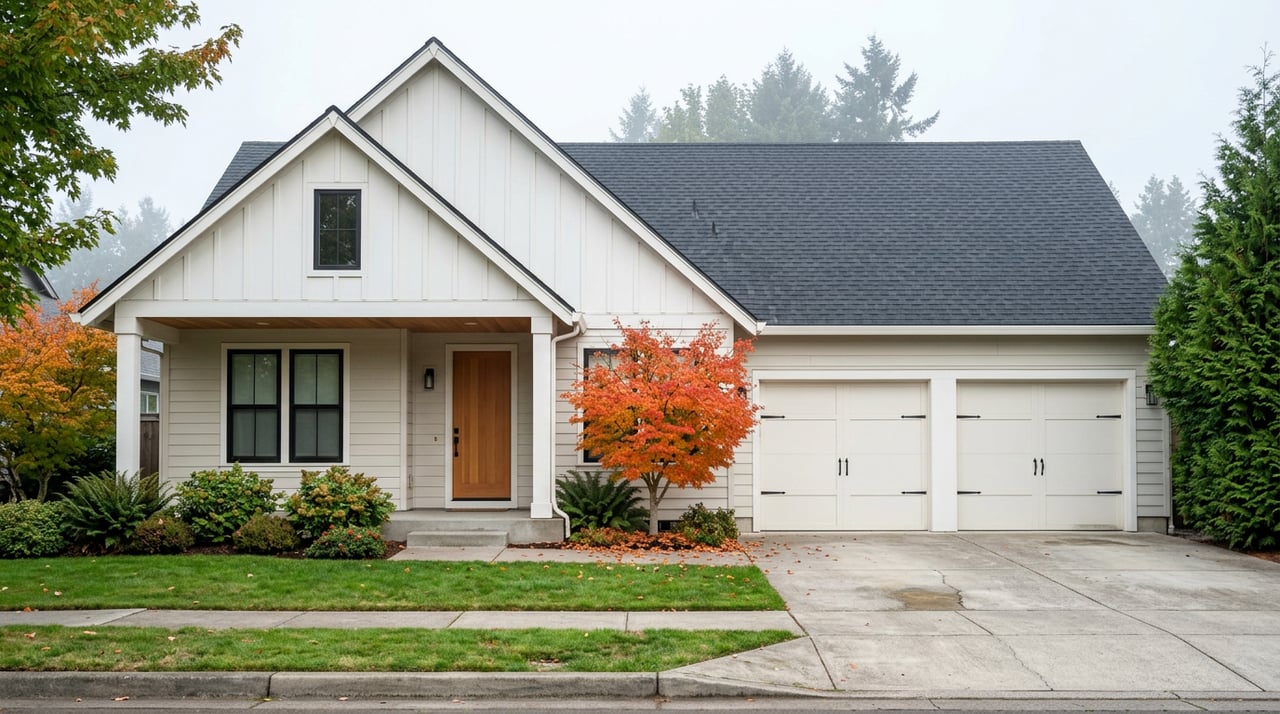
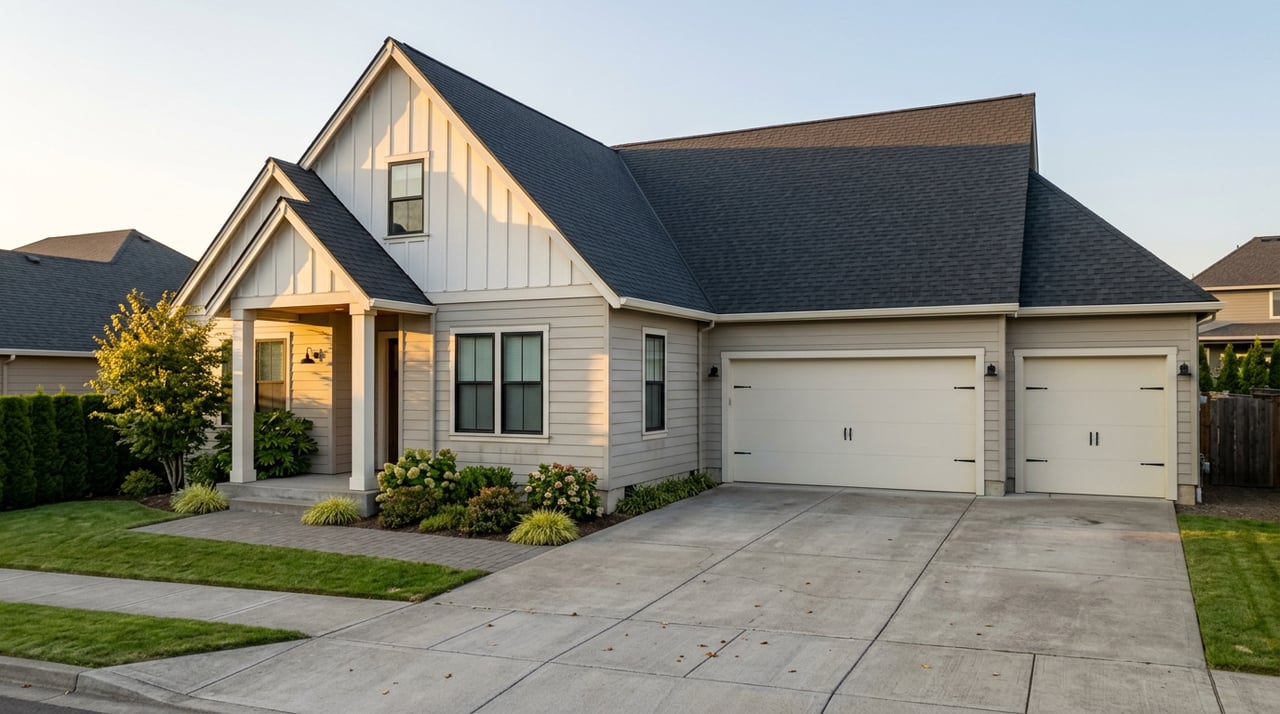
Arnada, Hough, Shumway, and Carter Park hold the largest concentration of pre-World War II housing left in Vancouver. Hough itself was added to the Washington Historic Register in 2003, recognized by the state as the largest surviving collection of pre-World War II housing stock in the city. Walk those streets today and you see the craftsman bungalows and Victorian four-squares that earned that designation, many still standing on their original foundations with their original mechanical systems buried somewhere underneath.
That history matters here because of how homes in this era were heated. Across the Pacific Northwest, heating oil was a standard fuel source for single-family homes built from the 1920s through the 1960s, delivered by truck and stored in a steel tank buried in the yard. When natural gas and electric heat pumps became widely available, many homeowners switched systems but never removed the tank underneath. Steel tanks have a functional life of roughly 20 to 30 years. A tank installed when one of these Craftsman homes was built is now 60 to 100 years past new, sitting quietly under a lawn that has hosted decades of birthday parties and garden beds since anyone last thought about it.
The Three-Day Clock That Starts the Moment Someone Finds the Pipe
Washington sellers complete a Seller Disclosure Statement, commonly called Form 17, before a sale closes. The environmental section of that form asks directly about fuel or chemical storage tanks and contaminated soil. Once a seller delivers that disclosure, the buyer has three business days to review it and can walk away during that window if something in it changes their read on the property.
A seller who genuinely has no knowledge of a tank can answer "don't know," and Washington's disclosure law is built around actual knowledge rather than a duty to investigate. But "don't know" only holds up as an honest answer. If a fill pipe or vent pipe is visible, if the home still has old copper fuel lines running to a spot where a furnace used to sit, or if a neighbor mentions the house was oil-heated decades ago, that knowledge changes what the honest box to check actually is. And once a buyer's own inspector spots the same physical evidence, the seller is no longer the one deciding when the conversation starts.
Why the Tank Doesn't Become Someone Else's Problem
This is the part that catches sellers off guard, and it's the reason this issue behaves differently than almost anything else on a disclosure form.
Under Washington law, the current property owner is responsible for cleanup of contamination from a heating oil tank regardless of who installed it, when it was installed, or whether the current owner knew it was there. There is no statute of limitations on that liability. If contamination has migrated onto a neighboring lot, the current owner can be held responsible for that cleanup too.
That single fact reframes the entire negotiation. A buried tank isn't a cosmetic flaw a seller can leave for the next owner to deal with at a discount. It's a liability that transfers with the deed, permanently, whether or not anyone involved in the transaction ever intended to take it on.
What Changes Depending on When It's Found
The mechanism worth understanding is not the tank itself. It's the difference between finding one on your own schedule and having a buyer's inspector find it on theirs.
| Discovered before listing | Discovered during escrow | |
|---|---|---|
| Who controls the timeline | Seller, on their own schedule | Buyer's lender, inside a closing deadline |
| Documentation available | Sweep results, decommissioning records, possibly a No Further Action letter | Often none, just visual evidence and questions |
| Negotiating position | Seller sets the terms, can price it in or resolve it first | Buyer or lender sets the terms as a condition of closing |
| Buyer's read on the situation | A disclosed, documented issue reads as manageable | An undisclosed issue that surfaces late reads as concealment, even when it isn't |
The difference isn't the cost of dealing with the tank. It's who gets to decide how the deal-making happens around it.
What Getting Ahead of It Actually Looks Like
Finding out what's under the yard starts with a visual check. Look for a fill pipe near the foundation and a vent pipe running up the side of the house, typically an inch and a quarter to an inch and a half across with a small cap. Follow any old piping back toward where a furnace would have originally sat. Local home inspection companies that work regularly in these older Vancouver neighborhoods, firms like Bennett Home Inspections and Slopeside Home Inspections both list Arnada, Hough, Shumway, and Carter Park among the areas they serve, can flag these visual indicators as part of a standard inspection.
Visual signs only confirm a tank might be there. Confirming it for certain requires a professional sweep, using a metal detector or ground-penetrating radar, performed before the home ever hits the market rather than after an offer is already on the table.
If a tank is confirmed, removal in Washington typically runs in the range of a few thousand dollars depending on size, depth, and site access, though costs climb if soil contamination is found and needs remediation.
The State Program That Can Offset the Cost
Washington's Pollution Liability Insurance Agency runs the Heating Oil Loan and Grant Program for property owners dealing with exactly this situation. It provides up to $75,000 in combined support, including a cleanup grant of up to $60,000 for a single tank, plus loan funding for tank decommissioning and related infrastructure work.
The timing matters for anyone planning a sale. The program runs on two application cycles a year, each open for 45 days, historically clustered around spring and again around late fall into winter. The 2026 spring cycle closed on June 18. That means a seller working through this today is looking at the next application window opening later this year, which is worth factoring into a listing timeline if grant funding is part of the plan rather than assuming it can happen inside a normal escrow period.
A completed cleanup that meets state standards can also result in a No Further Action letter from PLIA, documentation that future buyers and their lenders tend to view favorably during a property transfer.
A Few Questions Worth Asking Directly
Do I have to disclose a tank I only suspect might be there? Washington's disclosure requirement is based on actual knowledge. If you have reason to believe a tank exists, whether from visible pipes, old heating records, or something a previous owner mentioned, that belongs in your answer rather than left for an inspector to find independently.
Can I sell the house before dealing with the tank at all? Yes, but expect a buyer or their lender to make resolution a condition of closing rather than skip it, which tends to cost time and leverage a seller would not have lost by addressing it ahead of listing.
If the tank was filled in place years ago instead of removed, does it still need to be disclosed? Yes. A filled-in-place tank is still on the property, and its history belongs on the disclosure form. Pairing that disclosure with any decommissioning paperwork you have makes a documented tank far less alarming to a buyer than one with no records at all.
Selling a home in one of Vancouver's oldest neighborhoods means selling a piece of the city's early housing history, and that history sometimes comes with infrastructure nobody in the current household has ever seen. Getting ahead of a question like this before a listing goes live is the difference between a documented detail and a closing-week scramble. If you're weighing what a west-side Vancouver home is worth and want a clear-eyed read on what's underneath the sale price, Joy Johnson can walk you through it. Get your instant home valuation to start the conversation.